

Oriveti O800 Review – Redefine
Comparisons –
Oriveti OH500/OH300 ($300/500): Given that Oriveti’s prior OH earphones are reasonably similar and that the O800 represents an upgrade to both, I felt a 3-way comparison was apt. The OH300 and OH500 are fundamentally quite similar, the OH300 being more separated and engaging, the OH500 being a bit more coherent and more balanced in addition to being noticeably more detailed in the treble. The O800 is a departure, being warmer, smoother and more mid-focused than these earphones. The O800 has the least bass overall, but also the fullest note structure. It lacks the depth of the OH earphones but provides more defined and quicker decaying notes. The O800 is a richer sound here while the OH earphones are more dynamic with greater sub-bass pressure.
The OH earphones have a more neutral tone in the midrange, similarly, a smoother articulation but also more intensity in the upper-midrange. The O800 sounds the most coherent and substantial of the bunch. Despite having the most focus on vocals, they are the least intense of the bunch, subjectively as well, with the best timbre. The O800 especially has more body and a slightly more inviting light warm tonality. It does so as well without sacrificing any definition. While the OH earphones are considerably more aggressive in their detail presentation, both employing some kind of treble emphasis, the O800 is noticeably more detailed and resolving in the highest-registers. It is more effortless with more defined layering alongside greater sparkle and micro-detail. The O800 has the largest, deepest stage.
GAudio Nair (759 CHF): The Nair offers a less coloured sound, targeting a form of neutrality. Relative to the O800, it isn’t hugely different in terms of balance, but vocals are noticeably less upfront, striking better balance with treble and midrange instruments. The Nair has less bass extension and texture, only a hair of emphasis in the mid-bass redeeming a bit of fullness and warmth. The O800 is definitely a fuller and more robust sounding earphone. Its bass isn’t more forward but has deeper extension, a fuller note structure and longer decay with greater texture.
A similar story can be observed in the midrange where the O800 provides a more forward vocal image in addition to a more powerful voicing. It doesn’t have much more body, but a smoother, denser sound with greater vocal size. The Nair offers a more linear presentation, with a more neutral
NXEars Opera ($799): The Opera strives for a similar style of sound but with vastly different execution. Its bass doesn’t extend as deeply as the O800 with less power and depth. However, it is actually slightly bassier with an unconventional upper-bass focus. In turn, the Opera has fuller notes but also some tubbiness. To offset, it has faster decay providing similar separation. The O800 sounds noticeably smoother with slightly longer decay and more sub-bass power and balance. Both are well-texture and have similarly strong detail retrieval but the O800 does sound a bit more natural and dynamic. The midrange as well is warmer on the Opera, with more colouration from the bass.
By contrast, the Opera has a bigger lower-midrange dip that serves to enhance separation, creating a presentation that remains highly defined although warm and preventing chestiness and veil. The O800 is a more coherent earphone, delivering a little less gusto and definition, but a more accurate timbre and voicing in addition to a much smoother articulation. Both have forward, large vocals, the O800 being more balanced in its rendition, the Opera more vivid and coloured. The Opera has a more aggressive lower-treble peak but lacks the same detail retrieval and extension of the O800. Despite this, the Opera has similar stage dimensions and, in fact, better layering and more holographic imaging, its specialty. The O800 returns with greater depth and a more coherent expression.

Shozy Black Hole ($799): With an open-back design, the Black Hole offers a truly unique listening experience alongside Shozy’s rendition of neutral adapted to its unique form factor. The Black Hole is clearly a more neutral earphone with regards to both tone and note size. The O800 is warmer and fuller with more power behind its presentation. Bass extension is similar on both, the Black Hole’s open form-factor diminishing the sub-bass pressure of its DD. The Black Hole also has a slightly full and warm bass, similar in quantity to the O800, sitting just behind the midrange. The Black Hole has slower, more typical DD decay delivering a slightly more textured and lingering note. The O800 has higher definition by comparison and stronger detail retrieval. The Black Hole has a more neutral midrange with less body and smoothness.
Its articulation is a bit more accurate, the O800 being smoother and denser. However, the Black Hole also sounds more upper-mid biased, the O800 being a bit more coherent and balanced in its expression. The O800 I find to sound a bit more natural in its timbre and voicing, the Black Hole being more revealing but also a touch strained on certain tracks. The Black Hole actually appears to have a more even treble to my ears despite measurements, again due to the form factor. It has a bit more presence in the lower-treble but no sharpness nor emphasized crispness. The O800 has superior detail retrieval and greater extension at the top, being more resolving of fine detail. That said, the Black Hole’s raison d’etre is surely its sound stage which is far more vast and layered than even the O800. It has more holographic imaging and better separation due to its larger stage and more neutral note size.
Astrotec Phoenix ($799): The Phoenix is a highly engaging W-shaped earphone with well-implemented electrostatic tweeters. The Phoenix is a considerably more aggressive and contrast-heavy earphone. It has a bigger, fuller bass and brighter treble counterbalanced by sharper upper-mid accentuation. The sub-bass holds focus with a mid-bass in almost equal measure. In turn, the Phoenix provides a fuller, deeper and generally grander low-end with signature DD pressure and texture on top. The O800 has better separation and higher definition in return, though at the cost of the same depth and dynamics. The midrange, however, is considerably more refined on the O800.
It holds more focus with larger, more forward vocals. However, its midrange is tonally much cleaner in addition to being far more coherent with a more natural timbre. The Phoenix is more vivid with much higher contrast. It is warmer in lieu of its bigger bass but also more strained and diminished due to the unbalanced midrange presentation. The treble on the Phoenix is also far more aggressive, it is sharper and highly sparkly and energetic but can also be fatiguing over time. The O800 is quite the opposite. Despite the overt difference in brightness, I do still find the Phoenix to be a little more detailed and to offer a slightly cleaner transient response. In addition, the Phoenix has a slightly larger soundstage. The OO800 returns with sharper imaging and better separation.
Campfire Audio Andromeda 2018 ($1099): The Andro is one of the kilo buck staples and can commonly be found around the O800’s price B-stock or on the used market. The Andro is definitely a bit more u-shaped with less emphasis on the midrange. It has a similar full and robust voicing in the bass alongside slightly stronger extension with more sub-bass power. Though more forward, the Andro has slightly faster decay so it sounds a little more defined than the O800, which is endowed with slightly greater texture and note weight in return. Both are similar in tuning and tone, being warm and full, the Andro simply being more forward. The Andro’s midrange is more laid-back, fuller and warmer in its voicing. Despite this, I would consider it to be almost as natural and the timbre is also surprisingly consistent between tracks. The Andro has a bit of centre midrange emphasis and is more articulate, granting it a clear, glossier but also raspier voicing that is somewhat counterbalanced by its greater warmth and body.
The O800 is definitely more coherent and a more accurate rendition though it is also less engaging and defined. The Andro has a more aggressive treble, being brighter in both the foreground and background with slightly stronger extension on top. Its specialty is its headroom amplified by its energetic tuning. The Andro is more treble forward and slightly crisper in its voicing. The O800 has similar fine detail retrieval in the foreground and far more defined layers with its darker, more contrasted background. The Andro has more sparkle and a bit more extension up top, but the O800 gets impressively close. The Andro has a larger soundstage and more holographic imaging though this comes at the cost, in some sense, of organisation where the O800 provides a more coherent and layered image.
Meze Rai Penta ($1099): I’ve chosen to include the Rai Penta here as the pricing is not too far off and this earphone similarly employs a coherent, vocal-focused sound signature. The Rai Penta offers a deeper and more textured bass response with its hybrid design. It has more sub-bass pressure and rumble is more defined, the tuning is slightly more balanced with light mid-bass emphasis. The O800 sounds a touch bassier to my ears and its voicing is slightly fuller. It has quicker decay while the Rai Penta offers a deeper reaching and more natural presentation for my preferences. The midrange is forward on both, slightly more so in the case of the O800 as I find the Penta’s DD to provide a bit more drive that commands greater attention.
The Rai Penta is warmer and fuller. It too is smoothly articulated, slightly more so than the O800. The O800 has larger vocals and a bit more extension in turn, the Rai Penta sounding slightly more blunted and truncated though similarly, highly coherent. The Rai Penta has a smoother lower-treble with less bite. I find the O800 to sound both crisper and with more detailed. The Rai Penta has a bit more air and headroom with more middle-treble emphasis while the O800 has more contrast with its darker background and crisper foreground. The O800 has greater extension and sparkle at the very top. The Rai Penta offers a slightly larger soundstage to my ears while the O800 has sharper imaging and better layering.
Verdict –

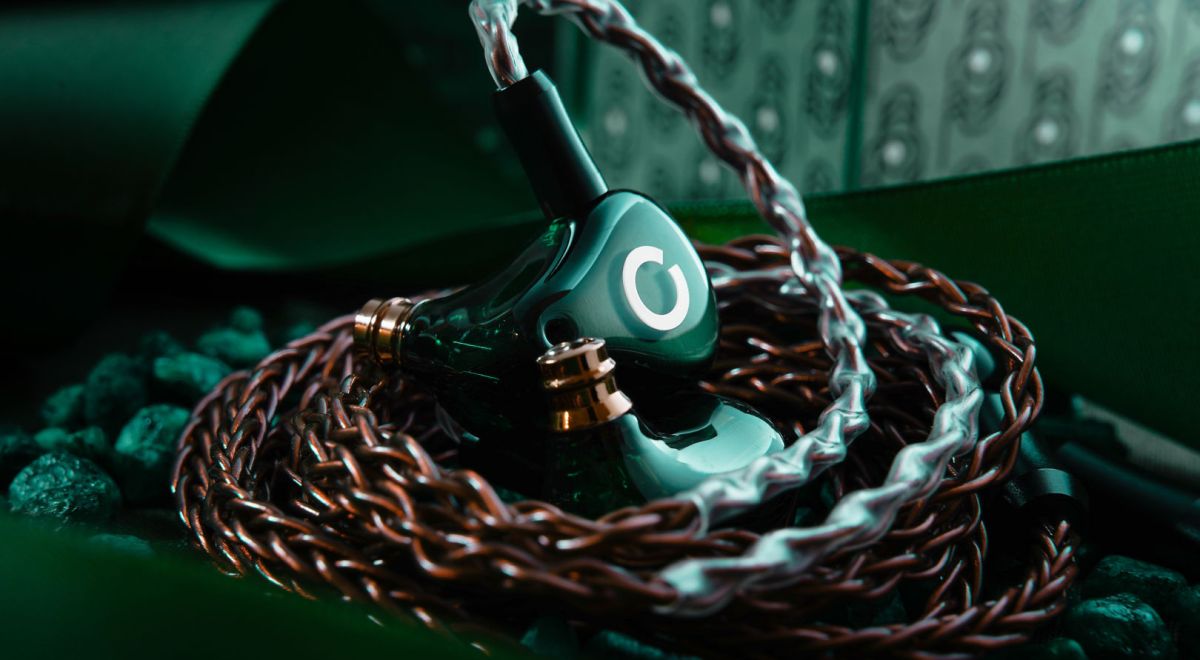
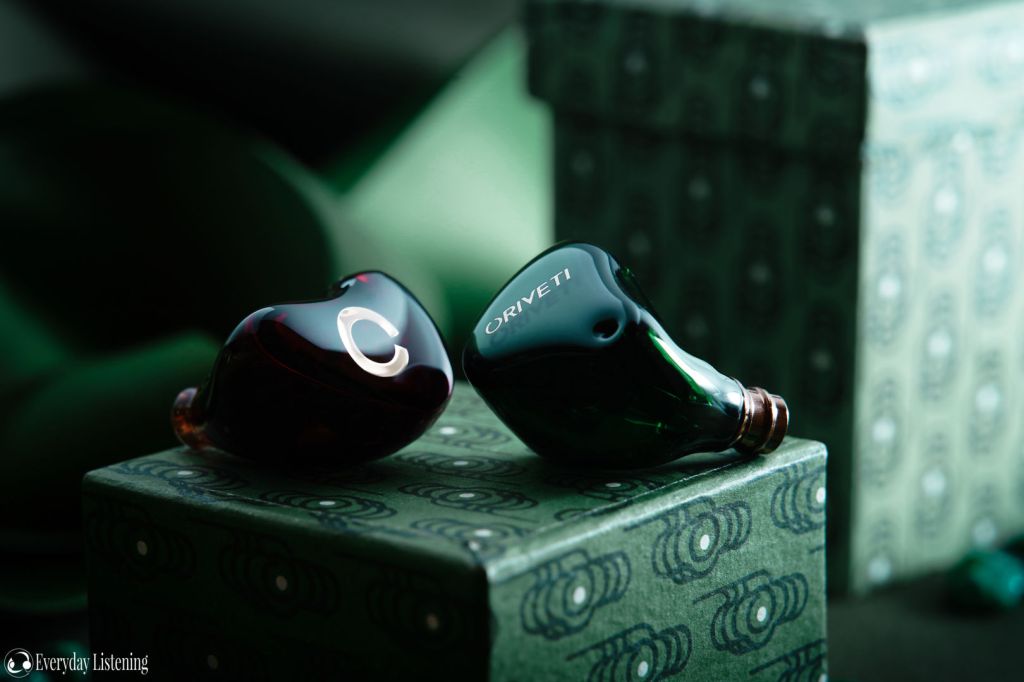
It’s not every day you come across an earphone like the O800, and I think the company has really outdone themselves on their latest flagship. If you’re a sucker for a smooth, coherent sound signature as I am, the O800 provides one of the most refined takes I’ve experienced – at far from prohibitive pricing on top. It places focus on its large, lush vocals with a deep, spacious stage and excellent resolving power playing complement. Accordingly, do not expect perfect balance here nor great energy or bass slam. The O800 is a creature of cleanliness like past Oriveti earphones before it. And, if you’re coming from these models, do also expect some concessions with regards to bass relative to Oriveti’s own hybrid models as sub-bass now takes a backseat to a fuller mid-bass. It isn’t bloated nor overwhelming but a little tubby and these are all factors to consider if you want deep rumble and physical slam. And yet, its smoothness and coherence are never to the detriment of detail retrieval, offering a winning combination of complexity and organisation. For the vocal-lover, it doesn’t get much better than this.
The O800 is available from Oriveti (International) for $799 USD at the time of writing. I am not affiliated with Oriveti and receive no earnings from purchases through these links.
Track List –
Beck – Mellow Gold
Bob Segar – Night Moves
Brb. – Sorry That I Love You
Courtney Barnett – Sometimes I Sit and Think and Sometimes I Just Sit
Crush – NAPPA
Diamond Pistols – Time Machine
Dire Straits – Communique
Dirty Loops – Next To You
Eagles – Hell Freezes Over
Elton John – Honky Chateau
Eric Clapton – Unplugged
Joji – Sanctuary
John Mayer – New Light
LEE SUHYUN – ALIEN
MAMAMOO – TRAVEL
Nirvana – Nevermind
Pixies – Doolittle
Post Malone – beerbongs & bentleys
Radiohead – OK Computer
Rich Brain – The Sailor
Vampire Weekend – Father of the Bride

Ryan Soo
Avid writer, passionate photographer and sleep-deprived medical student, Ryan has an ongoing desire to bring quality products to the regular reader.
 Everyday Listening
One thought on “Oriveti O800 Review – Redefine” Leave a comment ›