

Hidition T-100 Review – GG EZ
Sound –
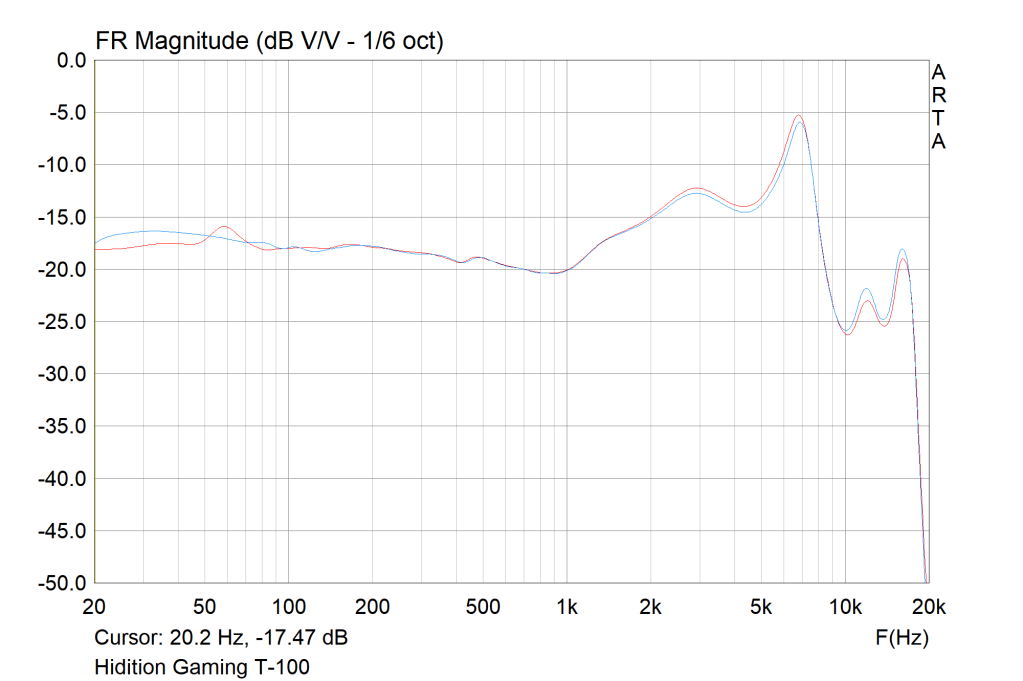
Testing Methodology: Measured using Arta via IEC 711 coupler to Startech external sound card. 7-9KHz peaks may be artefacts/emphasised due to my measurement setup which I found to be the case here. Measurements besides channel balance are volume matched at 1KHz. Fit depth normalised to my best abilities to reduce coupler resonance. Still, due to these factors, my measurements may not accurately reflect the earphone or measurements taken by others.
Tonality –
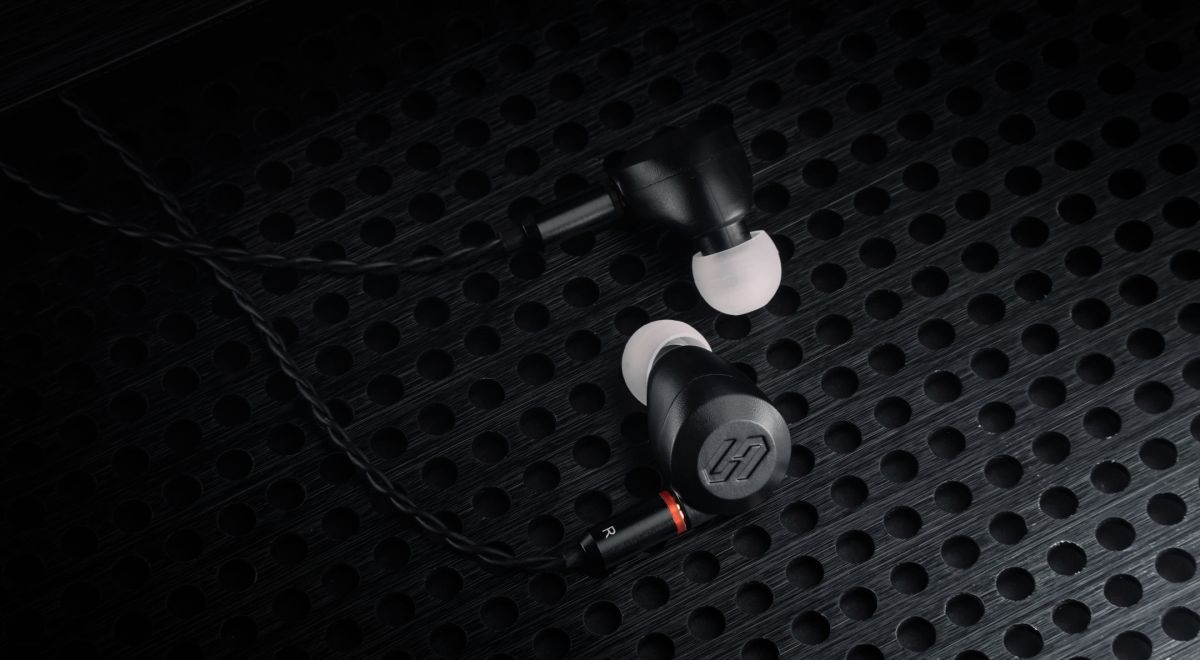
Hidition makes some of the most beautifully tuned reference IEMs however, the company states that the T-100 offers a “new approach to sound tuning for gamers”. Looking at the actual product, the T-100 also uses a single Sonion BA and, under the specifications states a flat, monitoring sound signature. I generally associate “gaming” with muddiness and overt bass emphasis, something a single BA isn’t especially inclined towards. In summary, I really wasn’t sure what to expect here but went in hopeful for a product that was more Hidition than gaming.
This is indeed the reality with the T-100, which almost reminds me of the older TWFK-based BA earphones of old like the Audio Technica CK10. This means you get a clean, lean sound with a flat bass, solid midrange tuning and brighter top-end, especially pertinent here. Despite the recent advancements in BA drivers, I do feel that single implementations are still stretched when it comes to the task of both bass and treble extension. Here, it appears as if Hidition has prioritized the latter as bass feels light-footed similar to many of the older BA earphones that instigated this reputation.
The most contentious aspect of this earphone will likely be the treble. There’s a notable 6kHz peak that tends to dominate the sound signature. It gives the earphone a bright, clinical sound and a tendency towards over-articulation and even sibilance. At the same time, separation is fantastic, and I’d assume this was the goal for gaming to highlight directional cues. Below this peak, the tuning is otherwise incredibly even and will appeal to people wanting an old-school diffuse-field neutral tuning similar to Etymotic earphones. The T-100 is listenable out of the box and not what I expected for a gaming earphone at all. While explosions and deep bass are diminished, the sound is crystal clear and separated as promised. However, they certainly benefit from some modifications if you also intend to use them for music on the daily.
Mods –
Given my communication with the brand, it felt that the tuning on display was intentional. With this in mind, I felt hesitant to modify the earphone for my preferences. My contact explained that the peak serves a purpose mainly for gaming to separate directional information. Moreover, the brand found that surround sound processing would often attenuate this region and therefore, it was enhanced on the earphone to provide a flatter experience in this context. It’s a conversation I was grateful to have given that the 6kHz peak is otherwise quite jarring for music listening.
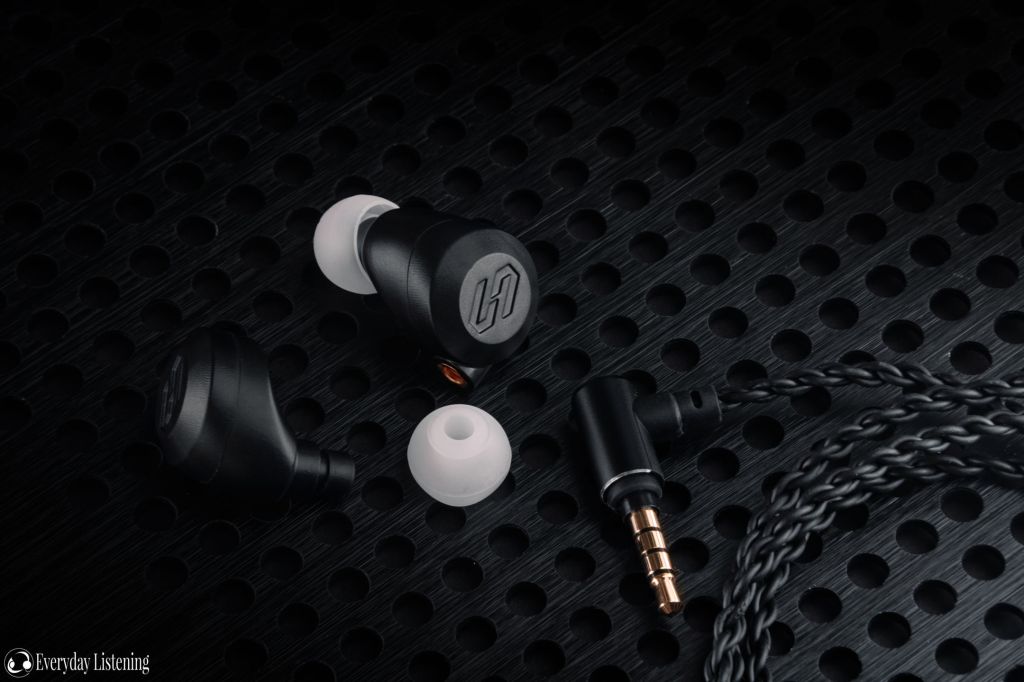
The filter mod is a simple, free and reversible mod. Companies now make more professional solutions such as adhesive nozzle filters however, I resorted to a trusty patch of dried alcohol swab over the nozzle. This tones down the treble peak by a few dB without affecting the rest of the sound. Treble extension takes a small hit, but the tonality becomes more balanced and appealing.
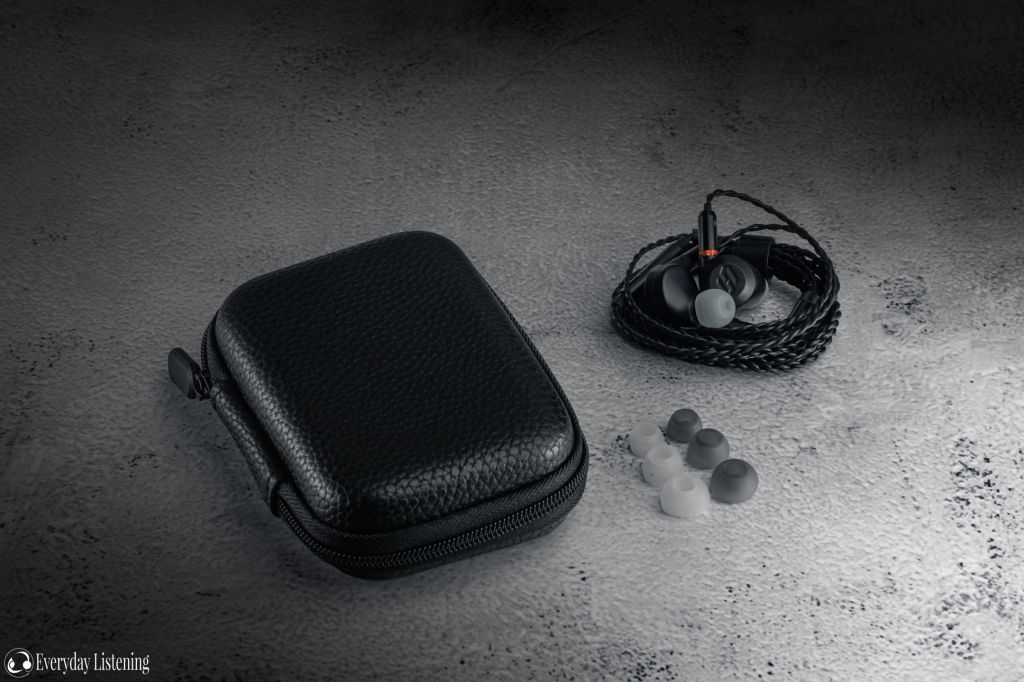
Ear tip rolling also helps. I found that large bore, short stem tips provided the best sound, attenuating treble and once again providing a more balanced sound without affecting spaciousness. My personal favourites were the JVC Spiral Dots that did a lot on their own to tone down sharpness and sibilance. When combined with the filter you get a very pleasant Etymotic-esque sound in a more comfortable, ergonomic form factor and at a low price, I really can’t complain about that. I will comment on the earphones in both configurations in my analysis below.
Bass –
The low end is reserved and flat in a literal sense, certainly very Etymotic-like. Arguably, the tuning goes beyond what we consider neutral in the modern day, being lean albeit incredibly clean and well separated. Extension leaves to be desired as the single BA driver is unable to deliver the heft and slam of a good dynamic driver yet alone a multi-BA setup. In fact, there’s little to no sub-bass on display but an ample mid-bass fullness and punch to capture inklings of warmth on tracks that require it. Bass is neutrally toned and what is present is presented in a relatively authentic albeit somewhat thin manner. It sits behind the rest of the sound and is just adequate in terms of quantity to achieve a sense of balance with the midrange.
As aforementioned, separation is exemplary. The presentation offers excellent speed and poise, able to discern each note and fine detail with ease. While there isn’t much bass on offer, the low-end has a tight and snappy note attack that makes it enjoyable for music listening. Where I do feel that T-100 has evolved somewhat from older BA earphones is the slightly longer and more natural note decay. This lends notes a more authentic sense of texture in the mid-bass than many similarly tuned BA-based earphones, even some with multi-driver setups despite not besting them in terms of extension and power. Though clean and somewhat lacking extension, the T-100 has a convincing and well-detailed mid-bass range that will satisfy many listeners so long as expectations are in order.
Mids –
While the bass won’t be for all, I’m a huge fan of the midrange tuning here which is balanced, natural and just right all around. There’s a gradual climb to a 3kHz hump before gently falling off into the 4-5kHz region. This gives vocals good presence and size alongside a highly natural voicing yet without any intensity or excessive brightness. As a result, vocals are immaculately clean, balanced and generally well-represented. The small upper-midrange nadir gives vocals a bit more coherence and density meaning though they are on the daintier side, they are never thin or metallic either.

With the filter mod, it takes the edge off articulation which adds another level of naturalness to vocals, toning down breathiness and sharpness. Even without, the clear and clean midrange is something that can easily be enjoyed. The technical qualities don’t disappoint either. There’s an impressive sense of resolution, space and layering on display again, mod or stock. The T-100 excels at separating each element and has defined foreground and background layers. It offers more nuance than one may expect at the price point. While part of this can be attributed to artificial enhancement via a forward detail presence range, I do think there is an above-average level of resolving power on display.
Highs –
The top-end will undoubtedly be the most polarising aspect of this earphone. With the right tips and a nozzle filter, they offer a nicely balanced package, yet this is not what Hidition has chosen to offer out of the box. Of course, this is due to their designation as a gaming earphone. I would argue that it is easy for the end consumer to tune down treble presence but not increase it, so this approach makes sense. The listener is able to use them out of the box for gaming and slip on a treble-attenuating ear tip and filter for a balanced music listening experience.
Indeed, stock they are bright, airy and overall, treble dominates the sound. They aren’t piercing but certainly generate some fatigue over time. The treble dominance somewhat thins out the midrange and makes treble instruments sound overly sharpened and brittle. On the flipside, details are brought right to the fore and this tuning aids the earphones in delivering a surprising sense of air and space. There is certainly a better sense of atmosphere and fine detail presence in this configuration that is beneficial to gaming. Small details are more highlighted and directional cues are tack sharp.
Installing the filter and Spiral Dots tones this down a few steps. You lose a bit of air, but the midrange is nicely smoothed out as is articulation. Notes still have a crisp character but overall, the sound is cleaner and more focused. While I do miss the air and some of the top-end extension provided stock, this configuration provides much better long-term listenability whilst not overly stifling technical performance. It’s still a brighter sound but notes are nicely bodied, textured and details remain abundant. The T-100 ranks highly in terms of technical ability amongst similarly priced IEMs and is far from the peakiest too. Still, it feels like the remainder of the sound is so nice, toning down the top end just a bit makes them a real powerhouse for those wanting a super clean and nicely balanced sound.
Soundstage –
The T-100 has a great soundstage presentation in all aspects. Dimensions are solid for the asking price, not nearly as good as a high-end IEM but provide a better sense of space than most entry-level earphones. What is more impressive is the imaging. The T-100 has very sharp directional cues and an excellent sense of layering. Layers are well-defined and delineated. Separation is a strong performer thanks to the clean tuning, meaning each detail is easier to perceive. In the context of gaming, the keen sense of direction and separation helps to cut through the busy mix to provide a more focused sense of space and better awareness. For music, the T-100 provides more dimension than many competitors which simply aids immersion.
Gaming –
To test the T-100 for its intended purposes, I booted up a quick match of Overwatch 2. Here, it all made a lot of sense. The strong passive isolation helps to focus on the minutiae, granting an excellent sense of spatial awareness when playing a support position. Footsteps and ability sound effects such as Reaper’s shadow step are all highlighted. While the mix can get busy during team fights, the strong separation helps to alert the listener of flanks and general sense of direction. Bass tones tend to be more for atmospheric effect, so they aren’t missed here. Meanwhile, the clean and clearly expressed midrange mean voice chat is easy to discern all the while. I had a less positive experience when playing for leisure with friends. As aforementioned, the strong isolation and sealed design make talking fluently uncomfortable as the speaker’s voice tends to overpower the sound. The T-100 is, therefore, best used for competitive gaming with minimal voice chat.
Driveability –
Output Impedance Sensitivity
Due to its single-driver design, the T-100 offers a consistent sound profile from sources with a variety of output impedances. Listening from a source with a 10-ohm output impedance delivered an identical sound to one with a sub-1-ohm impedance. Unfortunately, my measurement rig was acting up during this review, so I was unable to get a consistent enough graph to compare.
Driving Power
With a higher 103dB sensitivity and 25 Ohm impedance, the T-100 is more difficult to drive than most BA monitors however, this works to its advantage in many situations. For instance, it is still efficient and achieves high listening volumes from just about any source. However, it has better resistance to output impedance and hiss than your typical BA monitor. It doesn’t hiss like many sensitive monitors which is sensible for gaming consoles that don’t typically have the best output section.
Suggested Pair Ups
The leaner nature of the tuning naturally lends the T-100 towards warmer sources. It doesn’t require much driving power but does have the resolving power to scale with a proper dedicated audiophile source. The T-100 isn’t especially sensitive to hiss either. With a flat impedance curve, it sounds balanced even from low-quality sources.

Ryan Soo
Avid writer, passionate photographer and sleep-deprived medical student, Ryan has an ongoing desire to bring quality products to the regular reader.
 Everyday Listening