

Craft Ears Omnium Review – New Kid In Town
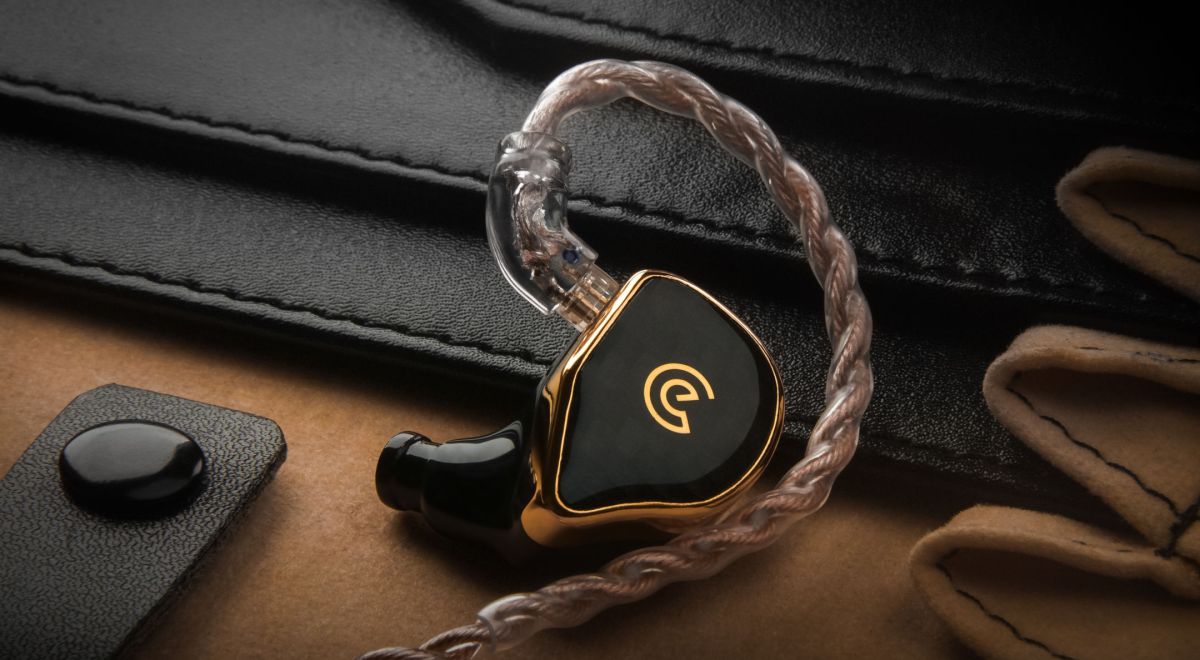
Comparisons –
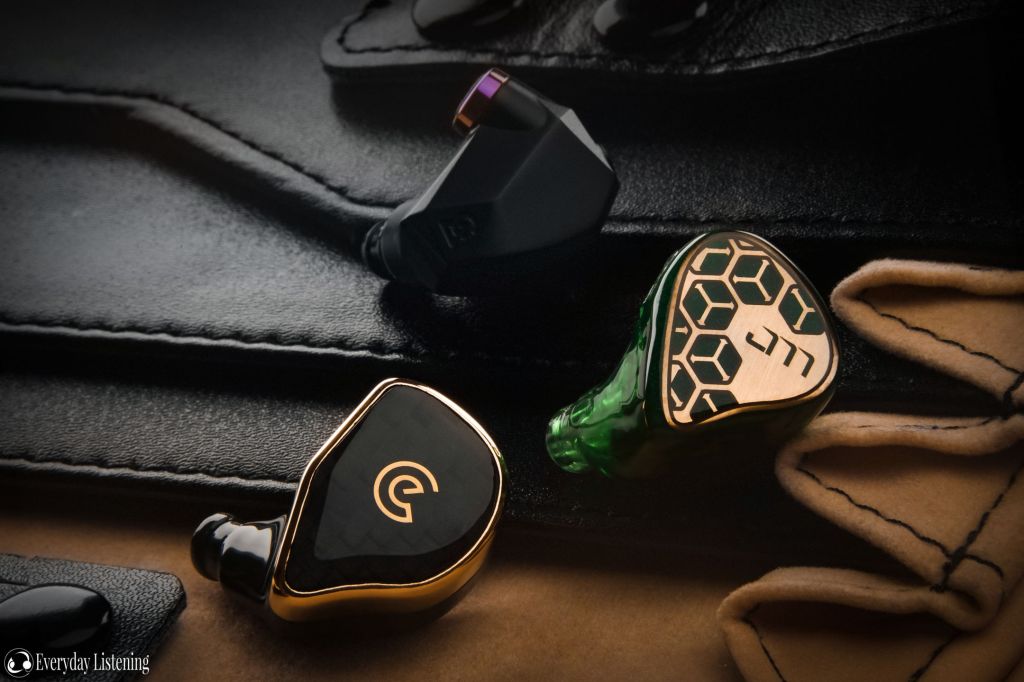
Craft Ears Aurum (1295 EUR): Craft Ear’s previous flagship may be considerably cheaper, but it still packs a lot of tech and flaunts a very likable tonality. The Aurum closely resembles the Omnium in its tuning from the bass to midrange but tones down the upper-midrange and treble giving it a smoother and more forgiving character. The Omnium comes across as the more revealing, open, and technical earphone by a fair degree. The bass quantity and voicing are overall very similar on both, perhaps a hair more apparent on the Aurum due to its less present treble. The Aurum also has a bit more mid-bass giving it a slightly more natural note presentation to my ears. However, the Ominum showcases a better technical performance all around. It has a tighter, more pressurized slam, greater dynamics, and higher note definition. The midrange is more upfront and has a more revealing character on the Omnium due to its more present upper midrange.
The Aurum is present and balanced but has a smoother, denser voicing. In turn, it sounds a bit fuller and easygoing. The Omnium is far more revealing of fine details and has a brighter, more vocal-forward character. It is also more transparent and showcases much better separation. However, I suspect the sweet spot in voicing is somewhere in between – but probably closer to that of the Omnium. Once again, the Omnium has better layering and is generally noticeably more resolving which is compounded by its tuning. Simply put, the treble on the Omnium is like the Aurum on steroids. The Omnium is a touch brighter but not by a huge degree. It benefits more from its linearity, especially within the lower treble giving it a more authentic sense of note body and a more defined leading edge.
The Aurum uses Sonion’s EST tweeters and emphasis centers mostly around 10kHz and above. In this sense, it shares the Omnium’s sparkly character albeit at greater expense to its note timbre, sounding thinner and tizzier. The Omnium is a lot more focused, and its foreground has noticeably superior fine detail retrieval. The Omnium has a larger stage and much better separation. I also find the imaging far more convincing, representing a large technical step up alongside a good refinement of the Craft Ears house sound. The Aurum still represents good value if you want a taste of the flagship at a lower price as it has a reasonably similar character in the bass and treble, only missing the ultra-transparent midrange of the Omnium.
Soft Ears RS10 ($2500): The RS10 is a more textbook-neutral earphone but has a similar profile overall to the Omnium. Its 10-BA driver platform is capable but not quite as extended end to end as the tribrid Omnium. The bass tuning is relatively similar with emphasis centering around the sub and deep bass before leveling out through the mid-bass to lower midrange. This gives both a highly clean and separated voicing with a hint of additional weight and dynamics. The chief difference comes down to the Omnium boasting slightly better extension and thus, a bit more overall sub-bass. It has greater dynamics and a more defined, weighted low-end. The RS10 has exceptional extension for a BA monitor and decays quicker.
Accordingly, it is slightly more detailed in the mid-bass but this leaves it with a slightly more plastic BA-timbre. The midrange tuning is not dissimilar between the two either. The Omnium has a bit more centre-midrange presence while the RS10 has more upper midrange. As a result, the RS10 has a more neutral vocal size and its vocals are also slightly forward. The Omnium strikes as having a touch more power and is slightly more forgiving while the RS10 has even higher definition and a slight resolution advantage in addition to being slightly more revealing. Both have a wicked clean tone and top-level layering and detail retrieval overall.
Treble tells a similar story as the RS10 is more neutral, the Omnium in the same ballpark but with greater upper-treble sparkle adding extra engagement to its sound. The RS10 has a similar level of foreground detail retrieval, and its timbre is a touch more realistic. The Omnium has more sparkle and headroom with more abundant micro detail. However, it also has a slightly dainty note presentation because of this. Both have good layering and excellent separation. The Omnium has a slightly larger stage and slightly better distance portrayal while the RS10 has slightly sharper imaging but doesn’t project distance as well.
MMR Balmung ($2799): The Balmung offers a high contrast W-shaped sound from a capable 12-BA platform. The sound is very different from the Omnium as despite being decently balanced overall, it has a highly engaging and coloured character. The bass specifically showcases a similar sub-bass presence but a bigger mid-bass thereafter. This gives it a fuller, richer presentation and it sounds notably bassier overall. The BA drivers offer quicker decay and uphold good separation. Note definition is higher but they lack the texture and natural decay of the DD on the Omnium. The Omnium also extends better delivering better pressurization at the very bottom and its tuning is generally cleaner and more authentic.
The midrange tells a similar story with a few more dB of presence on the Balmung balancing out its bigger bass. In turn, it has a higher contrast character with a pulled-back lower-midrange, drawing body and warmth from the bass instead. It has a nice high-clarity, glossy, and warm sound with similar presence but even greater power and vocal size. The Balmung also sports high resolving power albeit the Omnium showcases better transparency, layering and separation given its more neutral note size and tone. The Omnium has slightly higher resolution overall, but the Balmung will appeal to those wanting a richer sound whilst still wanting good presence and clarity.
The top-end is more present on the Omnium and also more neutral. The Balmung has a similar foreground detail presentation but lacks the same background detailing. It has a more organic presentation with a more damped shimmer and a darker background. The Omnium has greater openness and sparkle, small details are more obviously presented to the listener. The Balmung extends almost as well but lacks the same upper-treble presence so it contributes more to the impression of soundstaging rather than micro-detail. And the soundstage is very impressive on both. The Balmung has similar overall dimensions, and its layers are more contrasted, but it lacks the nuance of the Omnium which sports better layering and sharper imaging.
Jomo Instinct Emerald ($2999): The Instinct is a very different kind of earphone as it has a distinct coloured and V-shaped signature. As a result, comparing between the two is very jarring. However, spending some time with one or the other does showcase the merits of both. Immediately the Instinct has a substantially greater bass presence and an overall richer, warmer tuning. The voicing is also very different due to its far more mid-bass-centric tuning. On the flipside, the Instinct has a slightly quicker note presentation with a more aggressive attack and quicker decay. Accordingly, it slams and punches much harder and upholds excellent note definition.
Despite this, its sheer note size means its separation is considerably reduced and it does sound a bit bloated and tubby. The Omnium is much cleaner and more separated. Though its bass is leaner, it showcases a more accurate presentation and retrieves fine detail a little better despite not quite being as aggressive. The midrange is more upfront on the Omnium and is laid-back on the Instinct. Once again, the Instinct is much warmer and fuller in its voicing and the Omnium is much more transparent, however, both sound quite natural otherwise. The Instinct has greater depth, richness, and texture while the Omnium has better resolution, layering, and transparency.
Up top, the Instinct showcases a V-shaped character with an uptick of treble presence that balances out its bass. The Omnium is a slightly brighter earphone as its low end isn’t as present. The Omnium is once again more neutral and linear. The Instinct has thicker, more organic notes. It has similar fine detail retrieval due to an ultra-fast transient response. The Omnium has a bit more sparkle and air but the Instinct extends just as well, it just has a darker tuning. The Instinct offers a more forgiving sound overall. It has a deeper stage and almost as much width. Its foreground and background are more delineated while the Omnium is wider and has more layers, adding complexity. The Ominum has much better separation due to its cleaner tuning.
Empire Ears Odin ($3399): The Odin showcases a similar overall balance with a slightly warmer voicing. Its bass has a similar quantity overall but has a more progressive shelf that gives it a bit more warmth through the mid and upper bass. By comparison, the Omnium has a greater sub-bass focus and a more neutral tonality. The Odin is a bit quicker and tighter in its delivery. Its dual woofers provide a slightly more assertive note attack giving it better PRAT. By comparison, the Omnium boasts superior cleanliness and separation. It has a slightly higher note definition in the mid-bass which enables it to retrieve a bit more texture and detail here.
The Odin may appeal to those wanting a warmer sound whilst retaining kick-ass dynamics while the Omnium is for those prioritizing technicals and cleanliness. The parallels extend to the midrange as both have a slightly leaner character and strong clarity. The Odin once again has a bit more warmth and shares the climb to an earlier 2kHz hump before leveling off through the upper midrange. This gives it big and upfront vocals. However, it also has a bit of a lower-mid dip that introduces some dryness into its voicing. The Omnium sounds more natural and has a dead neutral tone. Both have excellent resolution and layering with the Omnium having a bit more space overall.
The treble is a step brighter on the Omnium while the Odin has a similar tuning but introduces a bit more mid-treble presence and slightly less upper-treble. As a result, the Odin sounds a bit airier and has greater shimmer and note clarity. The Omnium has a more defined leading edge giving its notes a more grounded delivery. It has greater sparkle and overall headroom at the expense of being a bit brighter. The Odin comes across as similarly detailed but a bit more forgiving and delicate. The soundstage is larger and more organized on the Omnium. It has better layering and separation too. The Odin has greater depth and is no slouch either that said.
Verdict –
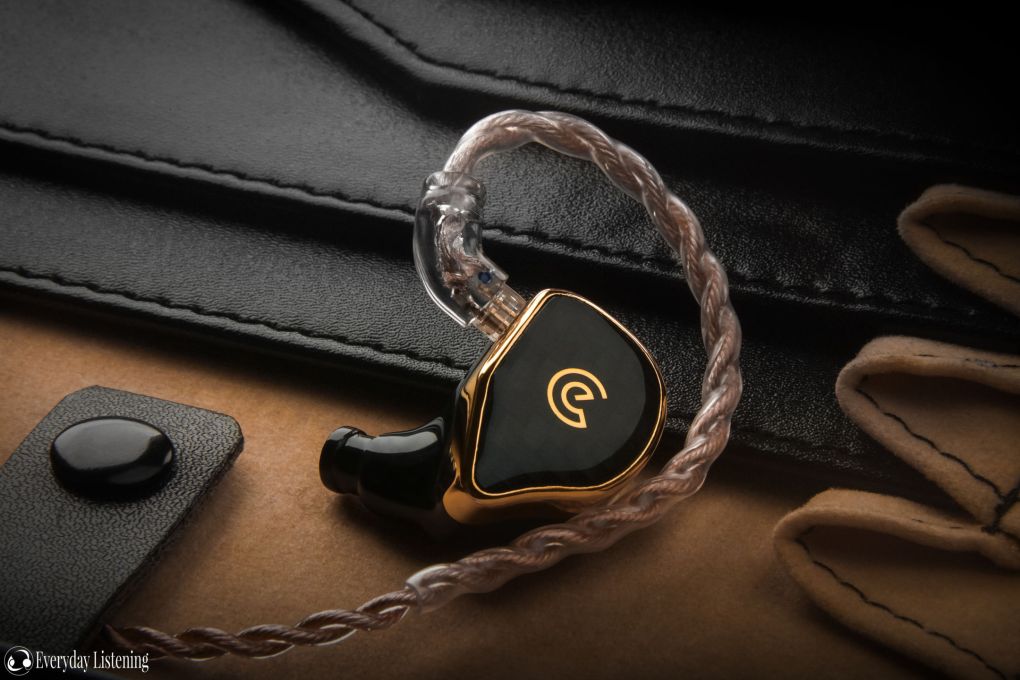
In my chats with Jed, he lamented that the most difficult aspect of IEM design for him is knowing when to stop. Indeed, many of us in the hobby are perfectionists and this extends to both creators and consumers. However, upon discussing the Omnium, Jed expressed that he was very pleased with the product and I can see why as the Omnium exemplifies the refinement all around that one would expect from a flagship product. The Omnium is the epitome of tonal transparency from top to bottom. Though it has hints of colour, chiefly a sub-bass boost and an energetic upper treble, the tone is dead clean. In addition, the technical performance hangs with the very best and is a notable step up from the already impressive Aurum.
Craft Ears has achieved not only top-level extension from their spoutless tweeters but also a desirable and balanced tonality free of big peaks and drops. This results in massive detail retrieval and presence. The soundstage is also a standout benefitting equally from large dimensions and excellent separation. As with any IEM, the Omnium is not for all. The treble sensitive may find the sparkly top-end a bit hot on brighter tracks. Similarly, the low-end can sound lean if the album hasn’t been mastered with much sub-bass. With this in mind, I commend Craft Ears on their creation which deserves my highest recommendation for those valuing all-around transparency alongside standout technical ability.
The Omniun is available for 2499 EUR at the time of writing. You can read more about the design, customize a custom unit or secure a universal for yourself at Craft Ears.
For a limited time, receive a 15% discount or free Argentum when purchasing the Omnium in celebration of Craft Ear’s 5th Anniversary! I am not affiliated with Craft Ears and receive no earnings from purchases made through these links.
Track List –
Billie Eilish – dont smile at me
Bob Seger – Night Moves
Courtney Barnett – Rae Street
Cream – Wheels of Fire
Dire Straits – Communique
Dirty Loops – Next To You
Eagles – Hotel California
Elton John – Honky Chateau
Fleetwood Mac – Rumours
H.E.R – I Used To Know Her
Jasen – BYE
John Mayer – Continuum
Kanye West – Ye
Missy Higgins – The Sound of White
Radiohead – OK Computer
TALA – ain’t leavin` without you
The Beatles – Abbey Road
The weeknd – After Hours
Vampire Weekend – Father of the Bride

Ryan Soo
Avid writer, passionate photographer and sleep-deprived medical student, Ryan has an ongoing desire to bring quality products to the regular reader.
 Everyday Listening