

Binary Acoustics Dynaquattro Review – Unison
Comparisons –
Moondrop Blessing 3 ($319): The Blessing 3 is a sensational IEM from a technical standpoint and comes in at a slightly higher price than the Dynaquattro. Its main downfall is its tonality which is slightly lean and thereby isn’t the most forgiving. The Dynaquattro is very tonality similar, with an almost identical midrange tuning set to a few dB more sub-bass and a slightly smoother treble. Bass tuning is very similar. The Blessing 3 has a tighter, quicker bass while the Dynaquattro has a touch more bass but also noticeably better dynamics, slam and a thicker texture. The midrange is a touch more present on the Blessing 3 and has a leaner, more revealing character as it has less warmth and is more articulate up top.
The Blessing 3 is more resolving, it has higher note definition and better layering. Fine textures are more apparent. Conversely, the Dynaquattro has a more natural voicing with more natural body and tone. It lacks the strain that the Blessing 3 is sometimes afflicted by and is generally more forgiving at the expense of fine details. The top-end is where the earphones most diverge as the Blessing 3 is noticeably brighter. Both earphones have similar lower-treble bite, the Dynaquattro has more note body and slightly more authentic texturing. The Blessing 3 has superior extension and background detail retrieval and presence is greater as its mid-treble is brighter. While both have similar soundstage size, the Blessing 3 has better separation and slightly more nuanced layering and imaging.
DITA Project M ($325): The Project M is a similar style of IEM characterized by a focus on bass and slightly more laid-back and forgiving character. The Project M does so with a brighter and more open top end that some may prefer and some may not. Bass is excellent on both. The Dynaquattro has a smidgeon more bass, but both are quite similar in voicing and quantity overall. The Project M I feel strikes the best balance of the two, its tuning is a bit more linear, and it has a natural decay whilst upholding better speed and definition. The Dynaquattro is thicker and meatier, it is slower and has better impact but also limits its detail retrieval and isn’t as textbook accurate. The midrange is slightly laid-back and naturally voiced on both.
The Project M has a slightly leaner character due to its less present bass but it also has a smoother upper-midrange so it sounds a bit denser and more laid-back also. The Dynaquattro has better upper-midrange extension but sounds richer due to its beefier low-end. The Project M is more separated and resolving of fine details while the Dynaquattro comes across as a touch more natural and balanced. The top-end is much brighter on the Project M and it has noticeably better extension and resolution. While the Dynaquattro bites a bit more in the lower treble, the Project M has superior detail retrieval, sparkle and headroom. It is brighter which some may find fatiguing, however. The Project M has a larger soundstage and more holographic imaging. The Dynaquattro has a darker background and is a bit more coherent.
Verdict –
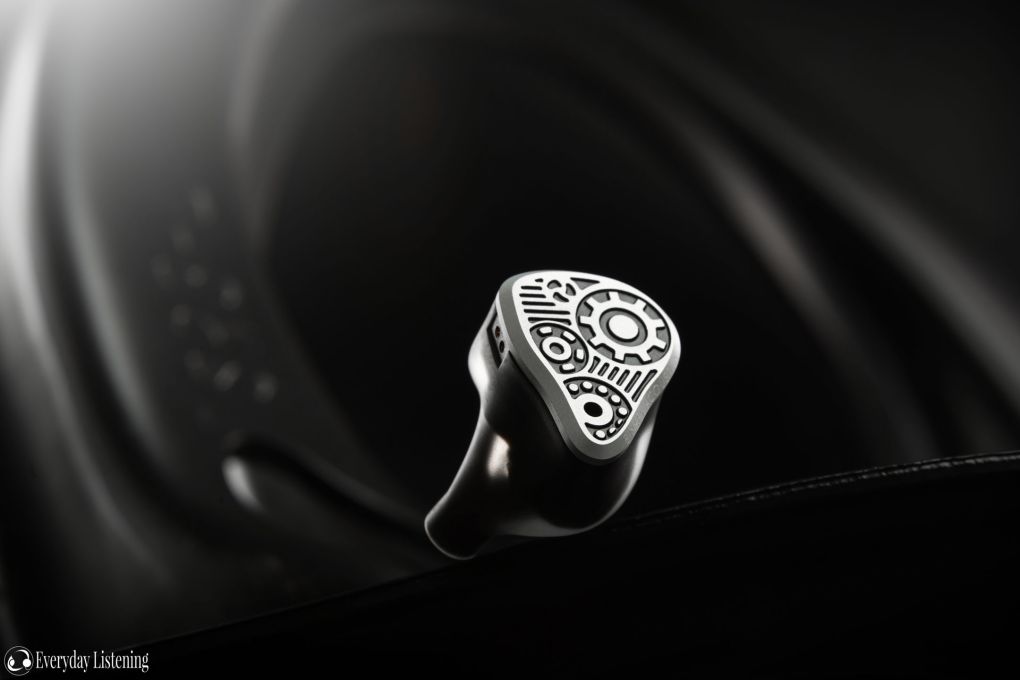
As my introduction to Binary Acoustics, the Dynaquattro certainly makes a statement. It slightly undercuts its main competitors whilst implementing the latest manufacturing technologies and a unique driver setup. This has indeed yielded interesting sonic qualities, specifically the textured, meaty yet nicely defined bass and smooth, forgiving midrange. The Dynaquattro also represents excellent tonal refinement. It is balanced and exceedingly natural making it an excellent all-rounder. The modular cable and pleasing design score extra brownie points. Who the Dynaquattro doesn’t suit is the listener wanting the best technical performance in the midrange and treble. In achieving a smooth, fatigue-free sound, it does gloss over some fine details. In addition, the larger housings may cause issues for some with smaller ears. Besides this, the Dynaquattro epitomizes the best qualities of dynamic drivers in each frequency range and brings them together with excellent coherence.
The Astrolith is available from HiFiGO (International) for $259 USD at the time of writing. I am not affiliated with HiFiGO or Binary Acoustics and receive no earnings from purchases made through these links.
Track List –
Billie Eilish – dont smile at me
Bob Seger – Night Moves
Courtney Barnett – Rae Street
Cream – Wheels of Fire
Dire Straits – Communique
Dirty Loops – Next To You
Eagles – Hotel California
Elton John – Honky Chateau
Fleetwood Mac – Rumours
H.E.R – I Used To Know Her
Jasen – BYE
John Mayer – Continuum
Kanye West – Ye
Missy Higgins – The Sound of White
Radiohead – OK Computer
TALA – ain’t leavin` without you
The Beatles – Abbey Road
The weeknd – After Hours
Vampire Weekend – Father of the Bride

Ryan Soo
Avid writer, passionate photographer and sleep-deprived medical student, Ryan has an ongoing desire to bring quality products to the regular reader.
 Everyday Listening