

Meze 105 AER Review – More for Less
Comparisons –
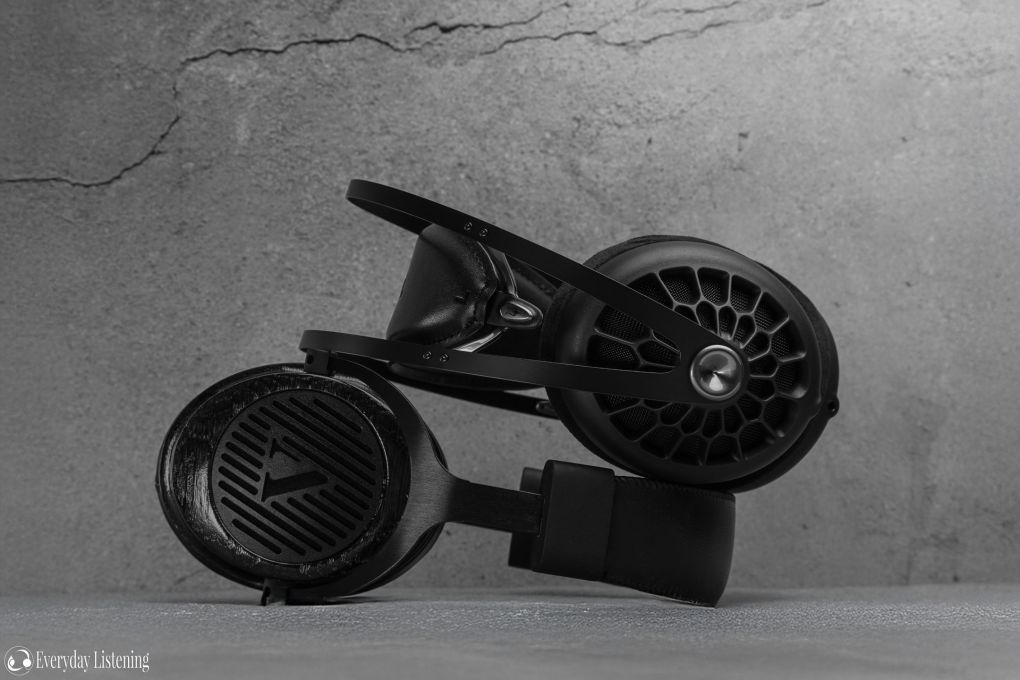
Hifiman Sundara ($299): The Sundara remains a popular option among entry-level open-back headphones. The 105 AER is definitely more comfortable due to its deeper earcups especially. If you have narrower ears, the Sundara impresses otherwise. Sonically, both have a similar balanced, light warm leaning tuning, with the Sundara having a bit more treble and the 105 AER a bit more bass. The 105 AER is warmer as it has more mid-bass, and it also offers greater extension and impact. The Sundara is slightly more defined and detailed in the bass if lacking the same dynamics. The midrange is similar on both, with the 105 AER being a touch warmer and more forward, the Sundara slightly more laid-back.
The Sundara has a smoother upper-midrange, while the 105 AER has a bit more extension and gloss. Both are natural to my ears and similarly detailed. The top end is where the two diverge, with the Sundara having a more notable lower-treble emphasis. The 105 AER has a smoother presentation with a bit more air and shimmer. The Sundara has more bite at the expense of sounding thinner and more brittle. The Sundara has a bit more extension, but when it comes to soundstage, the 105 AER offers a bit more space and slightly more involving imaging to my ears.
Apos Caspian ($499): The Caspian is a similarly priced open-back headphone sporting a dynamic driver. While I prefer the ergonomics of the 105 AER, the Caspian does have more heft and wooden earcups. Sonically, the two are quite dissimilar, with the 105 AER being more neutral and balanced and the Caspian being warmer and darker. In terms of bass, the Caspian has a more energized and present sub-bass, and it has more bass in general. The 105 AER is cleaner and more separated but not as aggressively textured or as dynamic. The midrange is more transparent on the 105 AER, which gives it an advantage when it comes to detail retrieval and separation. The Caspian is warmer, smoother and more laid-back. It has a much warmer, richer and fuller voicing.
The top end is smooth on both headphones; the Caspian has a bit less bite in the lower treble but more air and shimmer above. The 105 AER is a bit more balanced. Though it is smooth leaning, it has more crunch and crispness in addition to a more balanced, precise note presentation. The Caspian has a bit more headroom, but given the warmer nature of its sound below, it doesn’t come across as explicitly bright either. The soundstage is more open on the 105 AER, and it has better separation. The imaging is more accurate on the 105 AER, but the Caspian does have better depth projection.
Meze 109 Pro ($799): Coming in at double the price, the 109 Pro offers a more engaging tuning and a more premium build with pure metal, leather and wood. Sonically, it has better bass extension and slam alongside more elevation. It offers bolder, more weighted notes and has higher definition and a more aggressive texture. The 105 AER appears warmer, smoother and mellower by comparison. The midrange tells a similar story, with the 109 Pro being more neutral-toned and articulate. The 105 AER is smoother and more forgiving by comparison. The 109 Pro has greater detail retrieval and separation, however,r at the expense of being a touch lean at times, something the 105 doesn’t suffer from.
The top end is similar in tuning but more present on the 109 Pro. It has a bit less of a lower treble dip and also boasts superior extension. The 105 AER is smoother and darker overall. Though it is just as clear, it lacks the same nuance as its pricier sibling. While the 105 AER doesn’t come across as lacking detail, the jump up in resolving power and sparkle is notable on the 109 Pro. This yields larger benefit when it comes to soundstage, where the 109 Pro offers a more spacious and separated stage. Both have natural imaging, with the 109 Pro being a bit more layered and offering superior depth projection.
Verdict –
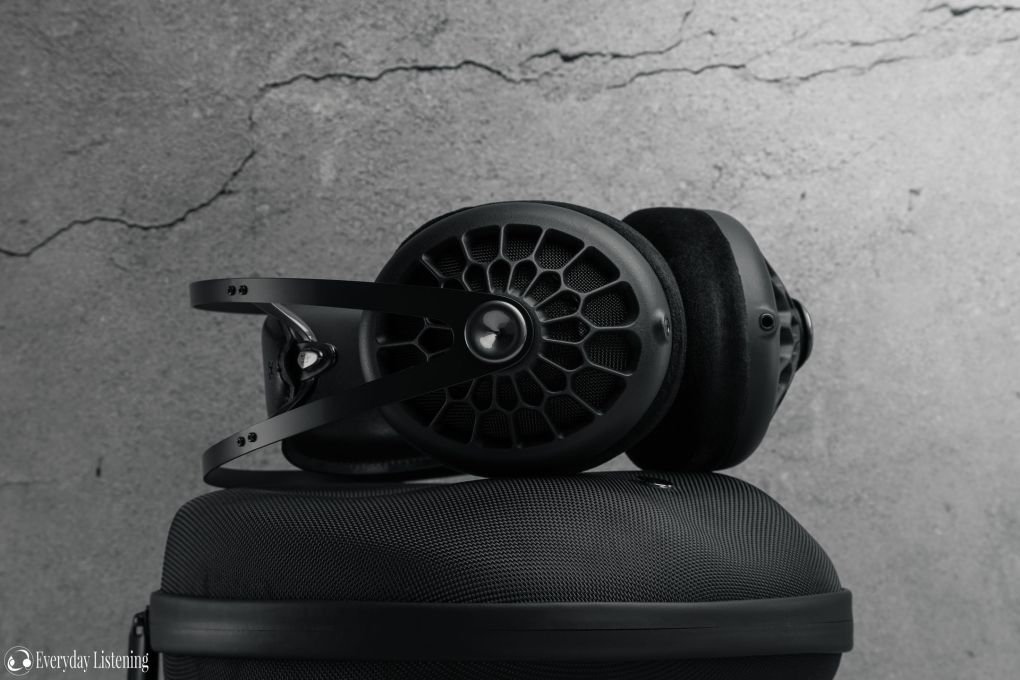
Meze has always struck me as more of a premium brand. Their models often occupy higher-than-average price points, but for that, you are rewarded with similarly above and beyond build quality, comfort and refinement. The Alba and 105 AER have changed my perspective on this entirely as both recently released models represent outstanding value whilst upholding the core tenets pivotal to the brand. By filtering down key features from their midrange models, these entry-level offerings offer a similarly refined user experience despite the cost cut. The 105 AER’s sublime all-day comfort and serviceability attest to this, even if the cups are now plastic and the cable leaves to be desired. In listening, I have few complaints at the price point, as the 105 AER is nicely balanced, naturally voiced and overall very likable. I can see some wanting more bite in the lower treble, a bit more articulation or greater bass weight and dynamics. However, if you are looking for a headphone that is easy to drive with best-in-class comfort and wide genre versatility, the 105 AER is tough to beat and doesn’t feel compromised in any key area despite its cheaper asking price.
The 105 AER is available for $399 USD at the time of writing. You can read more about it and secure one for yourself at Meze Audio! I am not affiliated with Meze and receive no earnings from purchases made through these links.

Ryan Soo
Avid writer, passionate photographer and sleep-deprived medical student, Ryan has an ongoing desire to bring quality products to the regular reader.
 Everyday Listening