

Audeze LCD-5 Review – Rejuvenation
Sound –
Tonality –
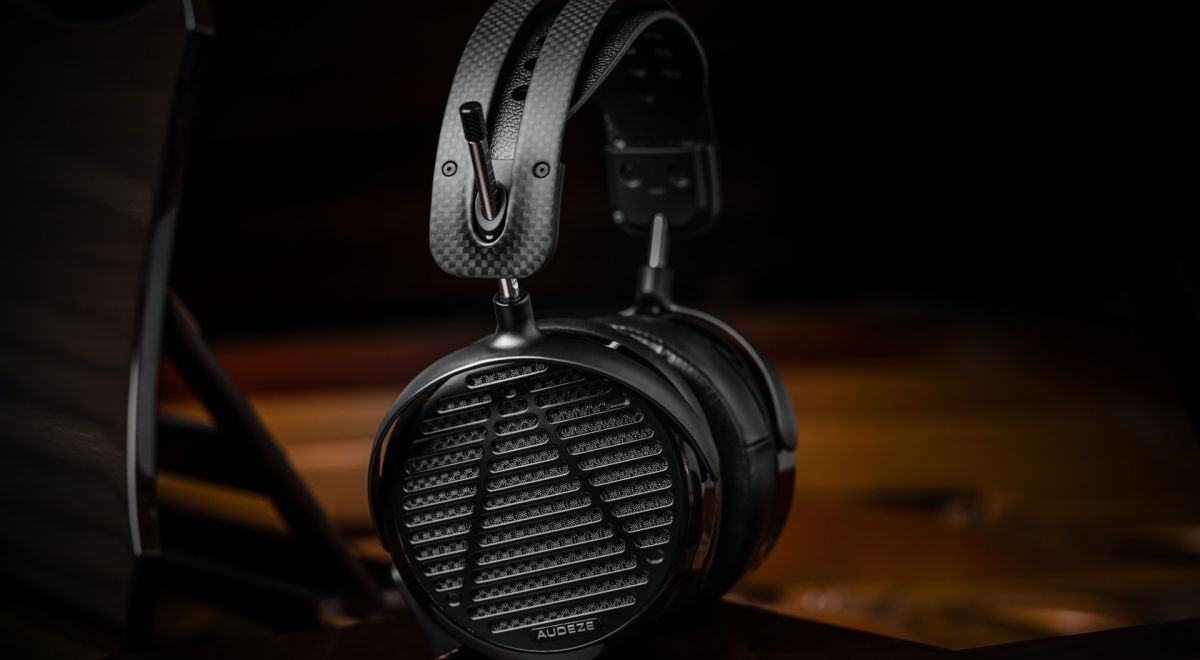
It should be apparent by now that every aspect of the LCD-5 has been re-imagined, and this applies to the sound too. Where past Audeze headphones have been laid-back and dense with a focus on coherence and listenability, the LCD-5 offers increased immediacy, immense tonal cleanliness and retains inklings of Audeze character only with its slightly smoother treble response. Indeed, the LCD-5 complies very well with the Harman headphone target and this gives it a natural and ear-pleasing tonality out of the box. With that said, it does deviate in terms of a flatter sub-bass and slightly smoother treble which, to my ears, makes the LCD-5 a slightly n-shaped headphone.
That said, many may consider this to offer a balanced signature and it doesn’t come across as intense or overly mid-biased. For those desiring greater presence and clarity, the LCD-5 does so with aplomb whilst retaining superb bass extension and cleanliness. Though the high-end errs on the smooth side, it too showcases stunning extension and wicked clean transient response that gives the LCD-5 some of the best note definition and fine detail retrieval on the market. Altogether, this makes the LCD-5 one of the most detailed headphones on the market with a reference-like character out of the box to boot. Such a complete package is something fans of full-size planar open backs have been desiring for a long time.
On a side note on eQ, I really don’t think this is necessary on the LCD-5, however, we all have different tastes. In this regard, its progressive tuning means it offers a great base for eQ as there are no huge dips or peaks. For my preferences, you can simply tone down the 3kHz hump by a few dB which will make it sound slightly more linear as bass and treble will sound more apparent by comparison. This isn’t at all necessary, that said. At the time of review, there also isn’t a dedicated LCD-5 Roon/Reveal+ preset though again, it isn’t nearly as required as before.
Bass –
The LCD-5 measures essentially flat throughout the low-end and expectations should be in order as a result. It has no additional warmth and notes are neutrally sized and voiced. As a result, though many have likened this headphone to the HD650 by virtue of its measurements, the difference in low-end warmth gives it a noticeably different overall character. Specifically, the LCD-5 suffers from zero veil, but it also misses the same fun factor and mid-bass punch that some enjoy. That said, I do think many listeners would be surprised by the power and impact the headphone is able to achieve, and in this sense, I would consider it to offer a very respectable level of dynamics. While it doesn’t quite possess the fullness provided by past, warmer Audeze headphones, the LCD-5 has a similarly strong extension and drive at the very bottom.
It’s superbly tight and controlled, hard-hitting and offers perfect cleanliness. This allows the headphone to effortlessly dissect complex passages and discern textural nuances within each bass note like few others. Separation is standout and instrument timbre strike as natural if slightly on the quicker decaying side for my tastes. Much of this can be attributed to the LCD-5 equally rapid attack and decay. This is a very assertive and immensely responsive headphone. The mid-bass is articulate and offers stunning definition with plenty of separation from the sub-bass. As no portion of the bass is notably emphasised, don’t expect huge slam or mid-bass punch, but a stunningly agile, tight and articulate low-end response in general.
Mids –
If you enjoy clean, clear and natural mids, the LCD-5 is a profoundly strong proposition even among high-end headphones. That means should you want warmth and colour, the LCD-5 may no longer appeal as it offers a truly reference character out of the box. However, that means you can expect superb tonal transparency, a natural vocal and accurate instrument timbre. As some have stated, the upper midrange can sound slightly forward coming from many competitors that pursue a more laid-back presentation here. However, if you’re familiar with the Sennheiser HD6 headphones, you’ll feel right at home. The LCD-5 does have some light colouration though subjectively, I found them in good taste to enhance listenability. Specifically, a slightly smoother articulation takes the edge off mouth sounds and reduces sibilance. This means that though clarity and extension both perform well, sharpness is kept to a minimum. The LCD-5 also avoids strain and off timbre characteristics within the midrange itself with a slight 4kHz nadir.
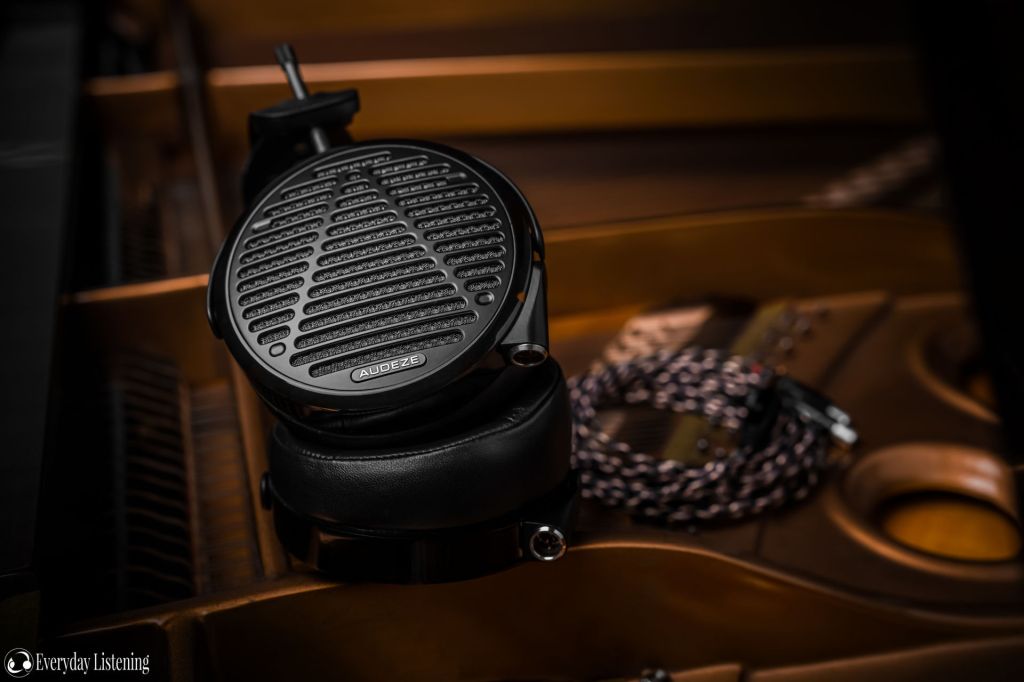
The overall presentation achieves sound coherence, accurate vocal size, and a lack of rasp or thinness with its uptick of density. This is all the while epitomizing cleanliness, with excellent resolution of fine details and textures throughout by virtue of the flat bass tuning. Accordingly, separation is a standout as is note definition. The LCD-5 layers nicely too, forming a highly immersive image. I found this was easiest to appreciate on tracks such as Billie Eilish’s “Bad Guy” where each vocal harmonisation was clear and very well delineated. Many high-end headphones are labelled as neutral or natural but there is a fine distinction between the two, the former being far more difficult to come by. The LCD-5 not only manages to achieve an incredibly accurate character here but also offers some of the highest raw resolving power on the market. This combination makes the LCD-5 a formidable performer.
Highs –
Treble continues the tradition of solid tuning backed by excellent technical performance. While it doesn’t showcase the same superb linearity observed in the bass and midrange, it is coloured in an innocuous fashion that promotes a resolving yet non-fatiguing listen. This has been achieved through a small nadir through the lower-treble followed by a small mid-treble bump that serves to retains detail presence. However, those wanting that crisp, sharpened and intimate detail presence region will find the LCD-5 to be rather relaxed here. To my ears, the treble response appeared just slightly laid-back on a whole, but far from blunted or lacking. The mid-treble bump retains plenty of detail presence and a balanced treble instrument position. This tuning does result in a slightly thinner instrument body, however, as the LCD-5 offers an outstandingly clean and well-defined transient response, it is never lacking focus or definition. In fact, the LCD-5 has terrific fine detail retrieval and separation. It decays naturally, so though note body isn’t perfectly complete, the presentation remains rife with texture and nuance.
Above, the LCD-5 extends nicely and without huge emphasis that some find distracting. This also contributes to the surprisingly natural instrument timbre provided by the LCD-5 despite its dip and peak tuning and slight reduction in note body. It lacks that “tizzy” or dainty character that some upper harmonic biased headphones possess, preferring a more grounded delivery. At the same time, extension is excellent as is resolution of micro-detail. While they aren’t pushed into the listener’s face nor is the LCD- the most sparkly, energetic performer in the treble, it comes across as mature, refined and highly technical in nature. You can also eQ this headphone to gain greater presence though it is perfectly enjoyable out of the box too. The technical performance is easily in the top handful on the market and this allows it to remain engaging without resorting to huge brightness or emphasis.
Soundstage –
This is an interesting section as though the LCD-5 is able to extend quite impressively in all axis, it isn’t an overtly spacious headphone due to its slightly more forward midrange presentation especially. In this sense, you won’t find it to offer the same immediate spaciousness as something like the Meze Elite of even the HD800s. That said, you do get those tracks that take advantage of raw space and I found myself surprised how far the LCD-5 was able to stretch beyond the head in addition to its impressively well-rounded proportions. This also plays a part in its imaging performance as it gives the LCD-5 more contrast and distance portrayal than many competitors.
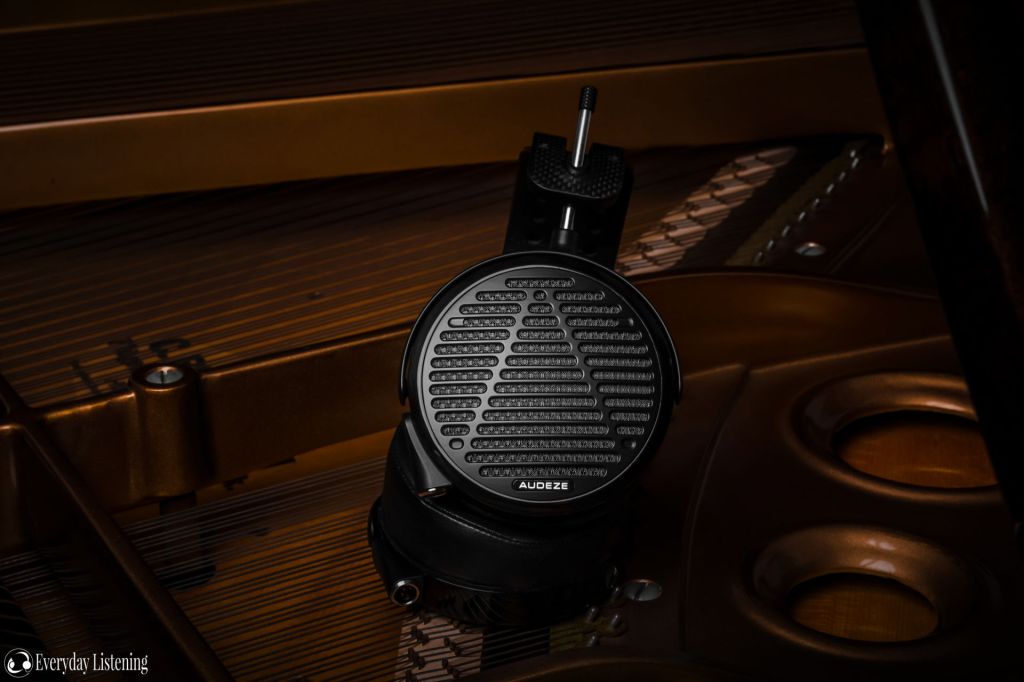
It sounds delightfully multi-dimensional and even glimpses holography at times with its speed albeit rarely due to the smoother treble tuning. The upfront nature of its midrange keeps things grounded and stable despite the high-speed character of its note presentation. It lacks any vague or floaty qualities in turn. Despite all of this, separation is perhaps its strongest aspect. The combination of quick, defined notes, neutral note size and tone and well-balanced tuning gives it a superb ability to discern and isolate small details. Without brightness and excessive sharpness, this allows the headphone to highlight these nuances to the listener. Each note is surrounded by ether and room that contribute towards a coherent overall image nonetheless.
Drivability –
The LCD-5 represents a drastic jump in efficiency over its predecessor with a 14 Ohm impedance and 90 dB sensitivity. Its efficiency is on the higher side for a full-size planar magnetic headphone but still isn’t quite as high as something like the recently reviewed Elite. Still, source pairings are not at all complicated unless you have an obviously poor source which is becoming increasingly rare in the modern market.
Output impedance Sensitivity
I compared using a 20 Ohm adaptor from my THX789 with a 1-Ohm output impedance. I found that the LCD-5 produced a slightly brighter sound with an elevated output impedance the extent to which increases as impedance increases. Specifically, vocals were more forward but also slightly less full-bodied and highs were brought forward also at the expense of body, sounding brittle and less defined. Some headphones have a favourable impedance curve and, therefore, achieve strong pairings with amps with a high OI such as tube amps. However, I didn’t find this to be the case for the LCD-5 which sounded more focused with a tighter bass and wider stage from a low output impedance source.
Driving Power
The LCD-5 doesn’t need heaps of volume like the higher-impedance LCD-4 to achieve higher listening volumes. I found volume was never an issue for my listening preferences as even portable sources were able to deliver more than ample volume, albeit with a reduction in dynamic range near the higher end. Despite this, the LCD-5 is a headphone I would consider to scale especially well with high-quality amplification. While you will receive a balanced tonality from most sources, even lower powered portable ones, a good desktop stack immediately provides a jump in dynamics and a sharper note attack. It is best to pair the LCD-5 with a high-quality solid state or hybrid tube amp due to its impedance characteristics in addition to its scalability due to its technical nature.
Suggested Pair Ups
The LCD-5 doesn’t require much volume but benefits immediately from powerful amplification when it comes to note definition and low-end dynamics. So long as the output impedance is around 1-2-Ohms, they will sound balanced, coherent and wide though I would not consider this a viable avenue for sound tuning. The LCD-5 is highly tonally transparent and, therefore, showcases the qualities of the source so long as the prior specifications are met. Should you want to fine tune without the use of eQ, I have no doubt many will enjoy this headphone from a warmer source such as a hybrid tube amp or simply a warmer solid-state amp such as those from Schiit. A larger DAP will also fare well with the LCD-5. Contrarily, this isn’t a bright or sharp headphone so neutral sources such as Topping’s NFCA or THX AAA-based amplifiers do well to bring out the neutrality in these headphones without fatigue.

Ryan Soo
Avid writer, passionate photographer and sleep-deprived medical student, Ryan has an ongoing desire to bring quality products to the regular reader.
 Everyday Listening
Very long review, not my favorite format. Never heard of an ‘n’ shape sound signature, but I like it. Good job tho. Sound impressions were a bit fussy tho.
LikeLike
Hey Steven,
You’re right I must work on being succinct. I personally feel that many reviews already are, so I like to give those on the fence a little extra info to make that decision. I appreciate the feedback and will keep that in mind for future reviews, thanks!
Warm regards,
Ryan.
LikeLike