

Colgate Pulse Series 2 Review – Attention To Detail is Key!
Introduction –
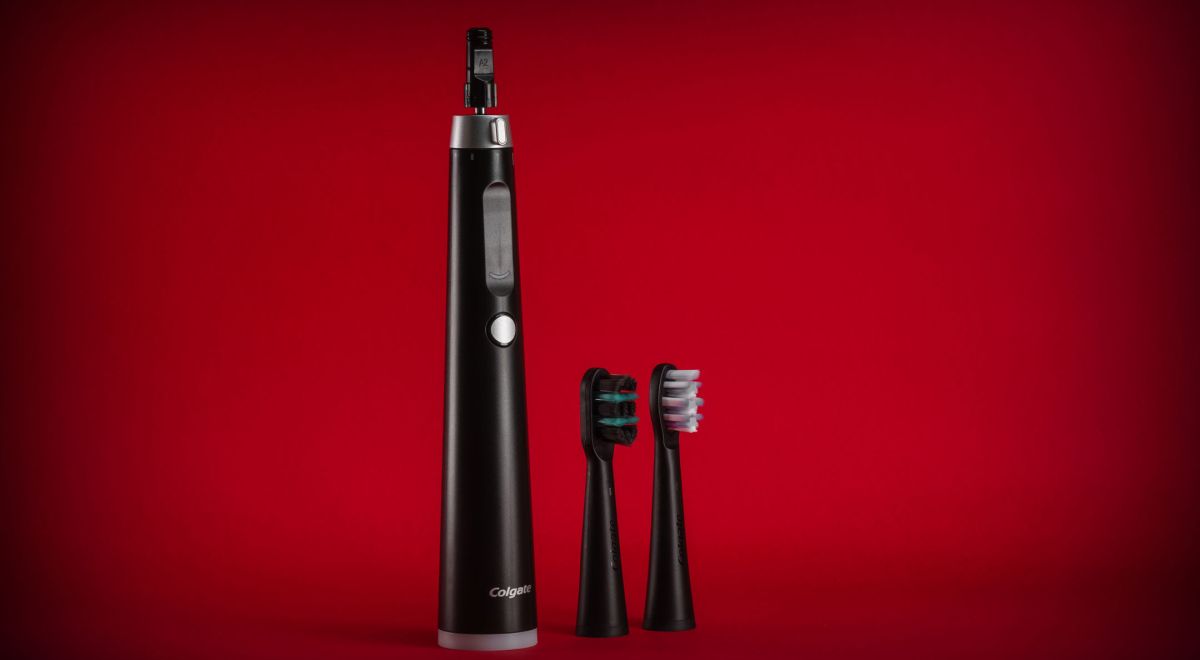
When I’m not listening to headphones, I spend much of my time studying as a final-year dental student. Here, I’ve learnt to feel strongly about the importance of oral hygiene as it is the pivotal way an individual can maintain a healthy dentition and reduce pricey dental procedures. With that said, all of us are taught from a young age to brush our teeth and it quickly settles into a few minutes of our daily routine. We don’t expend much energy or thought into it, simply knowing that it’s something that must be done. Since the mouth is one of the few spots we have poor visibility of in our own body, it usually takes a painful dental event to elucidate that tooth brushing is very technique sensitive and very much a skill that can be improved upon over time. Without a doubt, teaching effective oral hygiene is the single best treatment option in a dentist’s arsenal for preventing expensive and painful conditions and procedures. Colgate is bringing this to light with their new Pulse Series 2 toothbrush. In addition to offering an enhanced mechanical action with its electric design, the Pulse S2 offers app-integrated brushing that provides personal coaching and feedback to ensure you get a comprehensive clean every time.
You can read more about Pulse Series 2 and purchase one for yourself here.
Disclaimer –
I would like to thank Clare very much for her quick communication and for reaching out to set up a review of the Pulse 2. All words are my own and there is no monetary incentive for a positive review. Despite receiving the toothbrush free of cost, I will attempt to be as objective as possible in my evaluation.
A Deep Dive into Dental Caries –
Anatomy

Image Source: Dr Kami Hoss
Teeth are comprised of three layers, the innermost nerve and blood vessels, the flexible but softer dentine and the hard protective outer layer called enamel which is all that is usually visible to the majority. This structure allows teeth to be both strong and tough when subjected to the forces of chewing. However, in the event that the enamel becomes compromised due to a dental cavity or repeated abrasion with hard brushing over time, the softer internals of the tooth becomes exposed making the tooth far more susceptible to sensitivity, disease and rapid disease progression. This can result in pain, temperature sensitivity and even infection that may require complex, expensive rehabilitation such as root canal therapy.
Pathophysiology
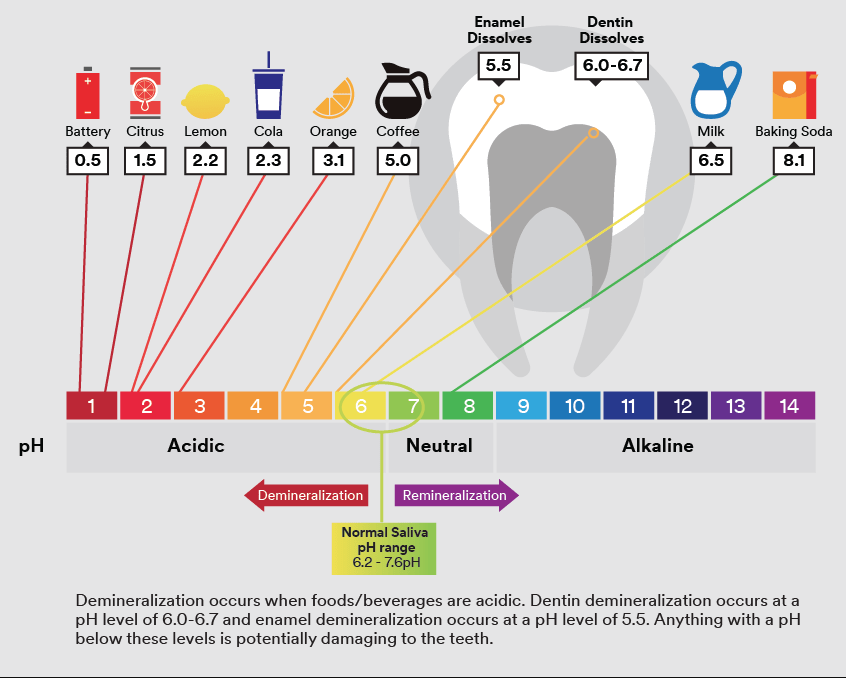
Image Source: 3M Dental Blog
There are genetic factors that may make one individual more prone to dental disease than the next, however, the cause of dental disease is universal. Acidity is the enemy of enamel. Though it has great hard-wearing properties, acids soften/demineralize enamel making it more prone to toothbrush wear and cavitation. This can be due to an acidic diet such as carbonated drinks or citrus, or as a byproduct of acid-forming bacteria. These bacteria love to feed on sugars and starches in your diet meaning if dental cavities are a concern, foods high in these components should be minimized. While the occasional citrus drink is of little concern, the longer a tooth is exposed to acids, the greater the risk of a dental cavity. Accordingly, regular cleaning is pertinent to maintaining tooth health especially after sweet meals so leftover sugars and acid-forming bacteria can be removed from the mouth before they can cause harm.
The Importance of Oral Hygiene

Image Source: Method Dental
Tooth brushing mechanically removes food debris and plaque that harbours acid-forming bacteria. Furthermore, when combined with fluoridated toothpaste, brushing has a protective function by facilitating remineralization of the tooth, thereby restoring strength and integrity. It is important to note that hard brushing with a hard-bristle brush can similarly wear on the tooth surface. Using a brush with soft bristles and using the proper technique can help to minimize this. Common places for dental cavities include the rear surface of the rear-most teeth and the deep grooves on top of the large rear molar teeth. This is because these areas rarely receive attention during cleaning as they are difficult to access meaning they can hold plaque for long periods of time. This means comprehensive cleaning of every tooth and every tooth surface is vital as the acidity will continue to rise the longer this plaque remains in the mouth.
Limitations
It is important to note that while brushing and fluoride products can strengthen the teeth, they cannot repair tooth structure that has already been lost. Any form of cavity can trap food and plaque and is best reviewed by a dentist for professional care. Tooth brushing also cannot remove the hardened calculus that occurs when plaque remains on the teeth for several days and becomes mineralized by contents in your saliva. It becomes a hardened rock-like substance that tenaciously clings to the teeth. Regular dental checkups and cleaning with professional instruments are still important even with excellent self-cleaning at home to prevent excessive build-up.
The Pulse Series 2
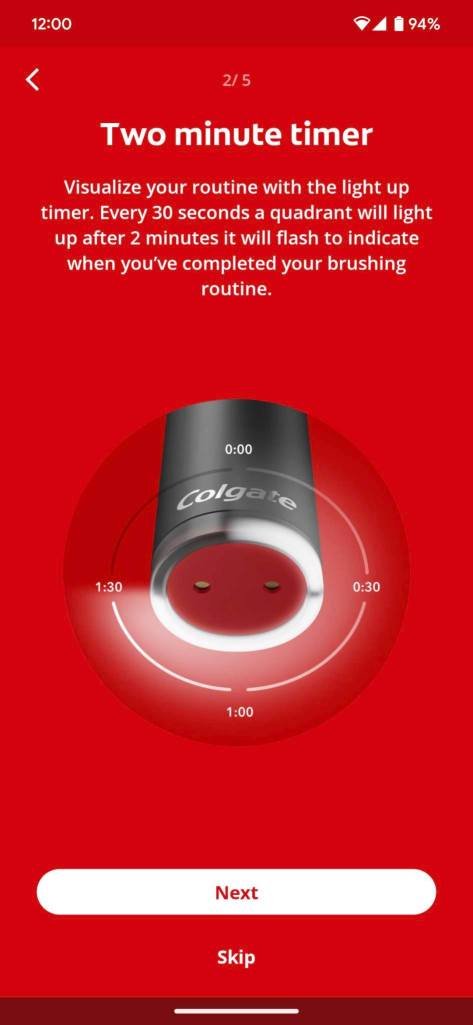
Now that we have some basic understanding of how dental cavities occur and what we can do to prevent it, it illuminates the smart design of the Pulse Series 2. It employs a pressure sensor to minimize the risk of hard brushing and causing abrasion, and a 2-minute time with 30s intervals to ensure each quadrant of the mouth receives equal attention. The app keeps track of brushing ensuring you clean consistently, and the Series 2 implements a position sensor that maps which tooth surfaces were cleaned on the accompanying smartphone app. This covers all the bases to ensure users get a comprehensive clean every time and can help to showcase how they can improve their technique at home.
Unboxing –
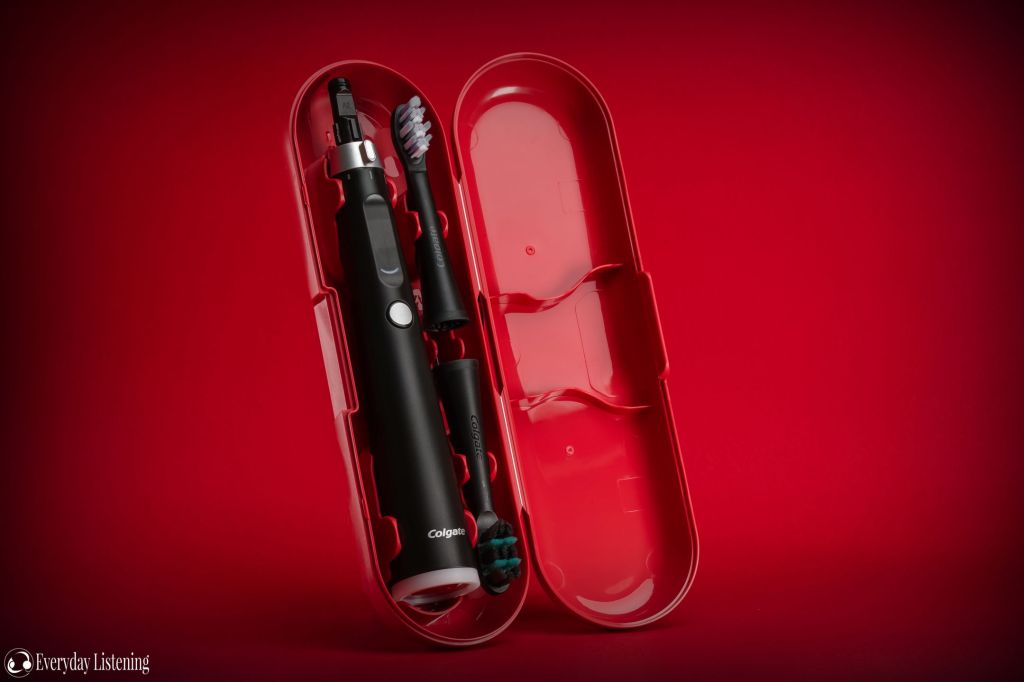
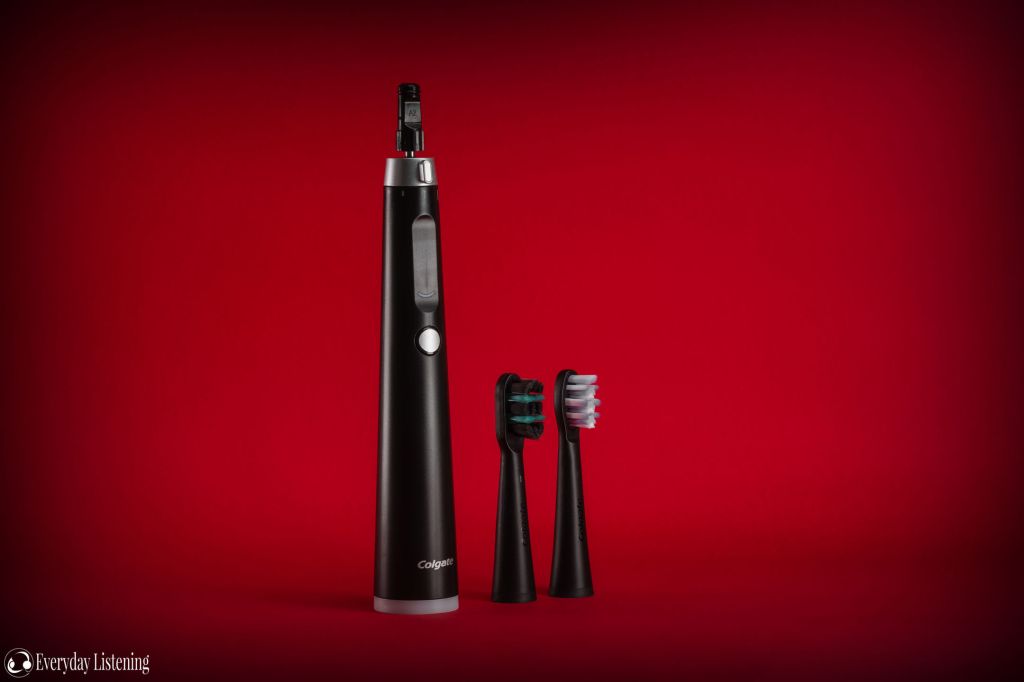
Colgate offers the Pulse Series 2 in a large red box whose aesthetic will feel familiar to any returning customer of the brand. Inside a plastic mould is a carrying case that contains the toothbrush and two heads: deep clean and sensitive. The heads can be differentiated by colour with the sensitive model having softer pink bristles and the deep clean head offering firmer green bristles. I personally would recommend using the softest toothbrush head possible and focusing instead on improving your technique for long-term dental health. In addition, a whitening head is available though not included. I also would not recommend whitening toothpaste and whitening specific toothbrush heads as they are often more abrasive on the tooth.

In addition, a charger is provided which functions off a regular USB type-A connector. This plays into the smart features built into the toothbrush, though it would have been nice to see a wall adaptor provided too as the lack thereof increases the barrier to entry. Moreover, the charger has a magnetic base and charges the brush via two gold-plated terminals. I found the compact and lightweight nature of the base affected its stability with the tall brush and the magnets did not always engage perfectly. I would have liked to see heavier base at least or some form of wireless charging system as most competitors use this now and are far more convenient to charge as a result.
Design –
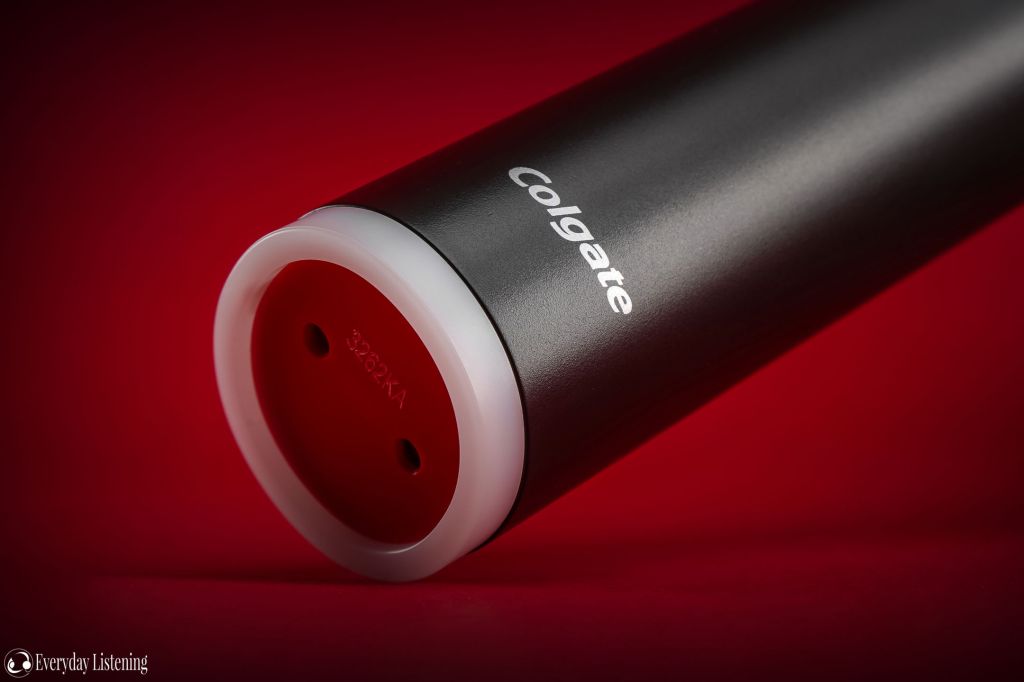
The brush itself offers a pleasing design. The angled body is larger than most competitors and ergonomic feels easier to manipulate in the hand as a result. It employs a satin finish plastic for the most part with silver power toggle adjusting between 3 settings: gentle, daily and deep clean. The base has a frosted clear rim that flashes to denote 30s of function or glows red to indicate the brushing pressure is too high. Finally, above the power button is another RGD LED indicator that changes colour depending on how consistently you’ve been brushing.
It would have been nice to implement some form of texture or grip on the brush like Oral-B’s models. Similarly, the build quality is poor as the brush feels hollow and light relative to competitors. Perhaps this is strategic as it makes the brush easier to handle when combined with its bulk or provide greater drop resistance. Subjectively, the in-hand feel is simply not that of a quality product. Ultimately this is a consumer utility, not something we purchase to make a statement, however, a grippier, more solid build would have been justified given the asking price.
Efficacy & Limitations –
There are currently, to my knowledge, 3 styles of toothbrushes on the market. First are simple manual toothbrushes as many of us grew up with. Rotating-oscillating (RO) toothbrushes are also popular such as the Oral-B models found commonly in supermarkets that clean with a back-and-forth rotating movement. Finally, we have the newer sonic toothbrushes that use high-frequency vibration to provide a gentle up-down cleaning motion as seen on Colgate’s Pulse brushes.
If you run a quick Google search, you might be surprised to find that the older rotating oscillating toothbrushes usually come out on top in most studies with regard to plaque removal. It must be noted that upon viewing the full study, the difference in reduction in plaque from baseline is only marginally different between the two despite the RO brushes consistently producing superior results in this outcome measure.
That said, looking at the method, participants in these studies were unsupervised meaning individual brushing technique could not be evaluated. Rotating oscillating toothbrushes are less demanding of technique due to their greater mechanical cleaning action. Sonic toothbrushes provide less mechanical action in exchange for a reduction in gum/gingival abrasion that can lead to gum recession when accumulated over many years.
Technique –
Traditionally we have been taught at a young age to brush back and forth or in circles as this is easy to learn in youth. However, this is not the most effective technique for adults. Clinically, we promote modified bass technique whereby the brush is held at a 45-degree angle to the tooth overlying the tooth and gum in equal proportion. This is because plaque mainly accumulates in difficult areas to access such as the grooves on the chewing surface of the molar and the margin between the tooth and gum. After setup, the user produces small back-and-forth oscillations covering 1 tooth width then a vertical flick to remove plaque at the gum margin and between the teeth. This is repeated throughout the entire dentition.

Moving along to RO toothbrushes and things are far simpler. Hold the brush perpendicular to the tooth surface and allow the brush to do the work for you, allowing 1-2s per tooth. The ease of use is the reason that RO toothbrushes are usually the best option for those struggling to maintain oral hygiene. However, if you are able to hone your technique with a manual toothbrush and have no new active cavities, this is likely an unnecessary investment. The same goes for Sonic toothbrushes. They simplify the technique relative to a manual brush but not to the extent of RO brushes.

There is no official sonic toothbrush technique as these styles of brush are too new to have study data on exclusively. Phillips who pioneered one of the first sonic designs advocates for a standard bass technique (as above with manual toothbrush but without the flick), and Colgate specifies the same on their companion app. This covers cleaning of the gum margin and allows the oscillating motion of the electric brush to clean between the teeth. This is what I use personally, and I’ve found good success going by self-dental plaque index testing with GC Tri disclosing solution.

A comprehensive clean can be achieved with any toothbrush type, however, some are more technique sensitive than others. For individuals with dental disease of some form, any electric toothbrush will likely aid a more thorough clean over a manual toothbrush as they are less technique sensitive. Conversely, if you experience no dental issues and use a manual brush, there is no indication you should change your brush type. In my personal view, sonic toothbrushes provide a good medium between plaque removal and reduced abrasion of the cervical portion of the teeth and soft tissues.
They are a good choice for those with sensitive gums who find their teeth to be temperature sensitive due to gum recession. Conversely, RO brushes may be a better choice for those with functional impairment such as elderly or younger users due to their greater mechanical cleaning action. They do more of the brushing for the user at the expense of being more abrasive as a result. It is important to note that this is a highly personal decision and it is best to consult with your regular dentist as they are able to monitor your cleaning over time and suggest the best combination of implements for your particular needs.
Colgate Connect –
In terms of oral hygiene, most of us have very poor insight into our technique and the efficacy of our cleaning. The mouth is one of the most difficult places in our body to visualize so certain areas may escape our regular cleaning and harbor bacteria for days to weeks on end. The Colgate Connect app is the company’s method of countering this issue, offering personal brushing coaching, it is definitely an initiative that sounds gimmicky, but after a week of testing, I was impressed and felt that the app provided productive feedback and advice. In addition, the app showcases how to use the toothbrush and also provides an avenue for firmware updates.



Upon first opening the app, you are prompted to make an account and pair the toothbrush via Bluetooth. The app then prompts you to undertake a test brush whereby it will withhold all information from you until you have completed cleaning. You are then presented with a score and visual data is broken down into three categories; surfaces cleaned, speed and angle. I cannot comment on the accuracy of the data, however, following the instructions from then on did help to achieve a higher score in the end.


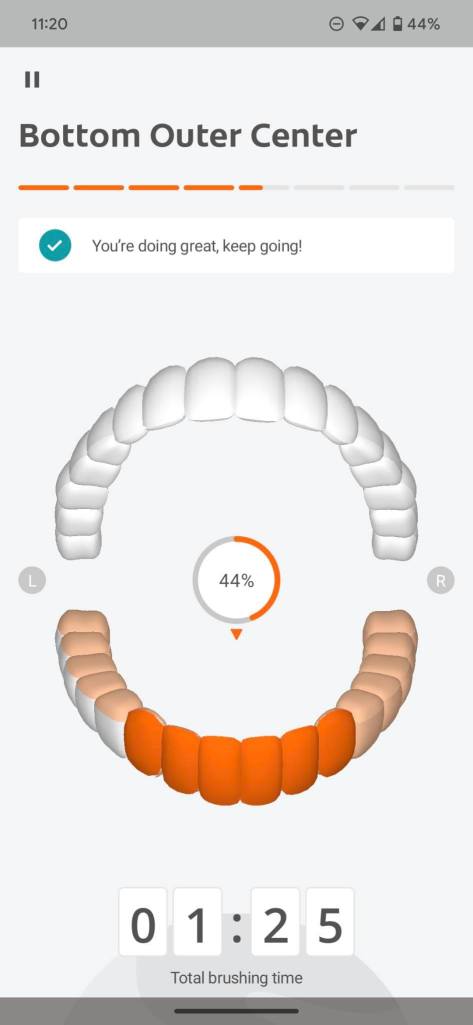

After the test, you are able to access the brush better menu whereby the user is presented with the information on the above categories during the brushing process. The app helps the user to master each of the fundamentals of coverage, angle and speed separately in real-time during brushing and you are able to re-assess as before to see how your score has improved. By implementing a point system, the app ensures you have achieved a good result in each section before progressing to the next. The app can also send push notifications to remind you to brush twice daily and every day. The user is given points for staying consistent.
Verdict –
While dentists can offer professional cleaning and prophylaxis alongside providing the foundation for your brushing technique, ultimately it is up to each individual to uphold a high level of oral hygiene at home. The Colgate Connect system is a sensible response for users attuned to mobile apps and smart devices. The gamification would also suit younger users especially and, with more and more of us owning smartphones, it’s good to see an app help to improve health outcomes by integrating these technologies. There is a notable effort involved and those with lower motivation to improve their OH may be turned away as a result.
That said, the real-time feedback and scoring provide invaluable feedback for those motivated to self-improve their oral health. As for the Pulse Series 2 itself, the device offers clear feedback via the LED base system and an ergonomic design. I appreciate the addition of a tongue cleaner on each head though do wish for a wireless charging system as seen on most competitors. The brush subjectively felt as effective to me as pricier competitors from Oral B and Phillips, and the focus on improving technique would likely be more beneficial to the majority than any small incremental increase in the effectiveness of the brush itself.
The Pulse Series 2 can be purchased here. I am not affiliated with Colgate or InsideOut PR and receive no earnings from purchases through this link.

Ryan Soo
Avid writer, passionate photographer and sleep-deprived medical student, Ryan has an ongoing desire to bring quality products to the regular reader.
 Everyday Listening
Hi Ryan,
Been here on this blog a few times already and please know, I appreciate the intro of this post, a very nice and well written overview about dental hygiene 🙂
Wish you a lot of success in your studies. Thanks!!!
LikeLike
Hey Erich,
Appreciate the kind words and glad you found the article informative and not too off topic! Thank you kindly and wishing you the greatest success too 🙏
Warm regards,
Ryan.
LikeLike