

Audeze LCD-5 Review – Rejuvenation
Comparisons –
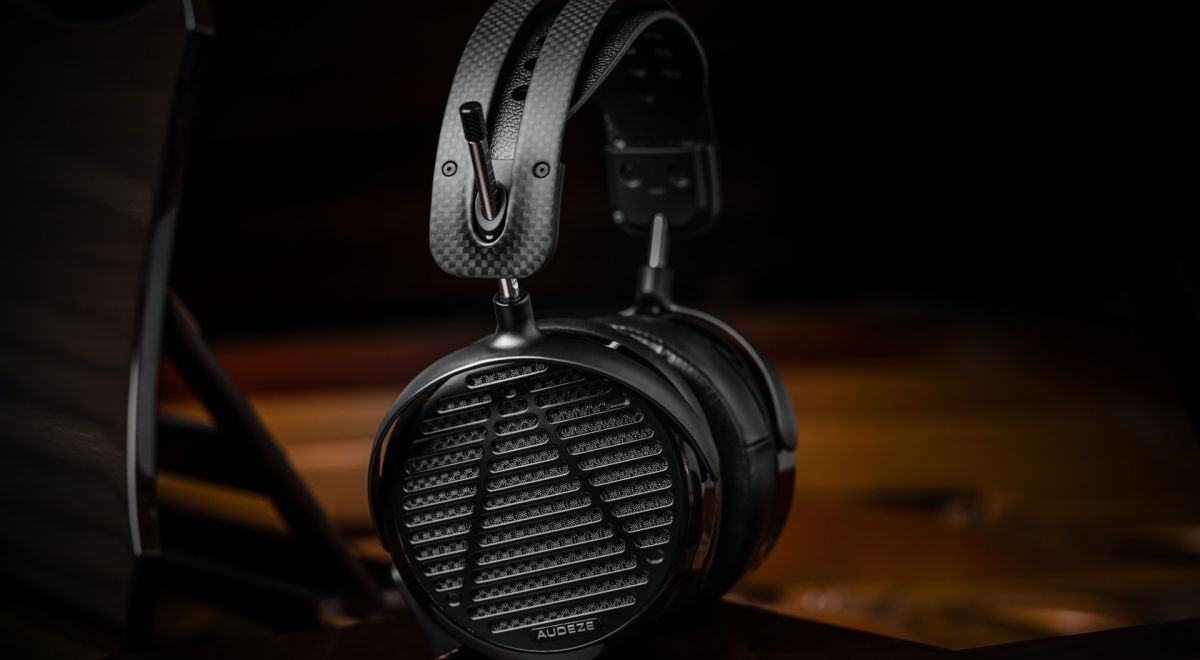
Audeze LCD-X 2021 ($1199/1699): The re-tuned LCD-x 2021 is likely the closest to the LCD model to the 5 and a realistic “value” alternative – discounting the LCD-1 which is too far behind from a technical POV to warrant comparison. The low-end is surprisingly similar on both, the LCD-5 being a bit flatter, the LCD-X offering slightly more fullness and warmth around the upper-bass but not by a huge amount. I actually found the LCD-X to have slightly more mid-bass impact here while the LCD-5 digs a little deeper but isn’t as punchy above. The LCD-5 is, however, much tighter with a noticeable technical advantage. It is quicker decaying with higher note definition and separation. In turn, it is immediately more textured and detailed than the LCD-X which is smoother and punchier but less responsive.
The midrange is where the two differ the most as the LCD-X comes across as noticeably roomier, fuller and more laid-back. The LCD-5 is much cleaner here tonally and has a more neutral note size. It has better separation and is more revealing and extended. The LCD-X meanwhile is denser, smoother and just slightly boxy by comparison. It isn’t as sweet and delicate but offers higher coherence and less intensity that some listeners may prefer. The LCD-X is also a bit more articulate with greater lower-treble presence by comparison, inverse to the LCD-5. Despite this, it doesn’t sound raspier or sharper at all due to its generally fuller and more structured nature. While the two aren’t opposites, they do have different characters that makes transitioning from one to the other difficult.
Treble also differs slightly but occupies a similar net position. The LCD-X specifically has more presence around 6kHz while the LCD-5 has greater mid-treble presence with a more laid-back lower-treble. The LCD-5 does have a cleaner transient response. It has a noticeably more defined note structure and is faster and more responsive with higher separation. The LCD-X benefits from a bit more crispness and bite to its raw tuning. Though its driver isn’t as fast, it has a bit more detail density in its foreground. The LCD-5 offers greater headroom and extension, micro-details are resolved much more clearly while the LCD-X is darker but also a bit more closed-in. The LCD-5 has the larger soundstage and sharper imaging.
HEDD Audio HEDDphone ($1899): With its focus on tonal accuracy and technical nature, the HEDDphone is positioned as a more affordable alternative to the LCD-5. Overall, though impressively resolving, it does not offer the same timbral accuracy and tonal refinement of the Audeze. The LCD-5 has an immediate advantage when it comes to bass extension and slam than the HEDDphone which lacks the same attack. The LCD-5 is more responsive, articulate and dynamic with a flatter tuning to boot. The HEDDphone has a bit more deep-bass presence which gives it a slightly thicker note structure and a hair more bass emphasis overall, but it lacks the same tightness and technical ability.
The midrange character is reasonably similar on both too, the LCD-5 being slightly cleaner and more neutral, the HEDDphone slightly glossier and brighter leaning. This appears contradictory considering the HEDDphone has greater lower-mid presence on measurement however, in practice, its style of note presentation meant it never came across as roomier. The LCD-5 has a more normal note presentation and timbre alongside a denser upper-midrange. This makes it sound more natural, refined and coherent. The HEDDphone layers and separates just as well, in fact, resolution is about on par. However, it does sound more coloured in its voicing; though positioning is similar, it sounds more upper-mid biased delivering a leaner presentation.
Treble also tells a similar story and here the HEDDphone is afflicted by its renowned 6kHz nadir. Once again, it doesn’t hugely affect detail presence as the neighbouring frequencies are well present but does exacerbate its thin note body. The HEDDphone attacks as keenly as the LCD-5 and rewards with similarly excellent note definition. As it is thinner, it even separates slightly better. Contrarily, the win goes to the LCD-5 on timbre and micro-detail. It has greater body and texture with a more natural attack, sustain and decay where the HEDDphone sounds overly rapid and thin. Both offer excellent extension and resolution, the LCD-5 once again delivering such in a more natural manner. Both have similar soundstage expansion, the LCD-5 being a touch wider, the HEDDphone slightly deeper.
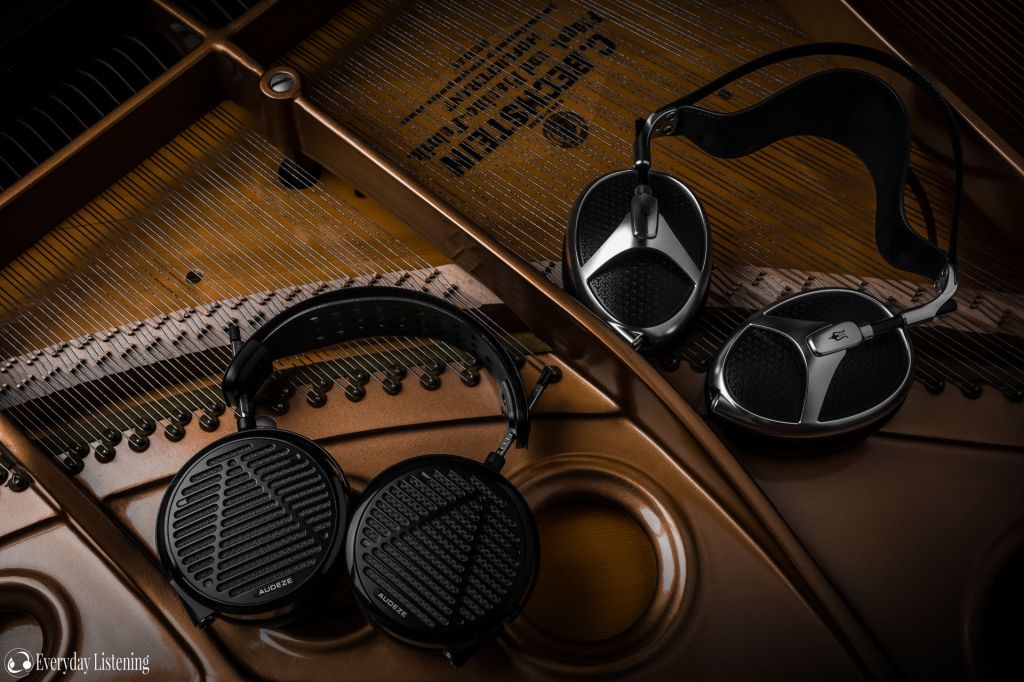
Meze Audio Elite ($4000): Though more balanced than its predecessor, the Elite has no pretense of professional use case but offers a progressive, musical tuning with a more laid-back character. The Elite is noticeably bassier, fuller and warmer in the low-end while the LCD-5 is flatter and tonally cleaner. The LCD-5 is tighter and has a harder-hitting sub-bass but the Elite has much more mid-bass impact that some may prefer. The Elite is slightly smoother and slower decaying, it has a little more texture on some tracks but isn’t quite as responsive as the LCD-5 which has a good advantage on note definition and separation. However, if you were to find the LCD-5 too lean here, the Elite and D8000 Pro are good alternatives.
The midrange is tuned very similarly on both but is more coloured and laid-back on the Elite despite being much cleaner than the Empyrean. The Elite is one step more laid-back with a smoother, warmer and more articulate character. The LCD-5 has a more neutral tone and note size with greater separation and slightly better clarity. The Elite is more coherent and has better layering. It is altogether just as natural and almost as resolving whilst being a good deal more forgiving. The LCD-5 meanwhile epitomizes cleanliness which allows it to discern fine details better.
The Elite has a bit more lower-treble emphasis followed by a darker middle-treble. The LCD-5 has a keener note attack and a slight technical advantage her. The Elite has as bit more bite and detail density from its tuning but overall, doesn’t resolve fine detail quite like the LCD-5. Above, the two are fairly similar if differing in tuning. The Elite decays similarly, offering solid texture and excellent headroom on extension alone whilst sporting a cleaner background to boot. It has less brightness overall then the LCD-5 which is itself not a bright headphone making them both great for long and non-fatiguing listening sessions. The Elite has a larger and more overtly spacious stage. The LCD-5 is meanwhile sharper in its direction and its presentation has more layers. The two feel like excellent foils.
Final D8000 Pro ($4299): The D8000 Pro is a more direct competitor to the LCD-5 being designed for professionals. I do personally find it to be more coloured at least, relative to reference curves, though it is a great option for those that want a more exciting treble response without too much weirdness below without using eQ. The D8000 Pro has a hair more bass presence and warmth but a similar character overall. The LCD-5 is slightly cleaner and more separated. It is slightly more responsive and textured with a tighter punch. On the contrary, the D8000 Pro is more dynamic with a harder-hitting, more pressurized sub-bass and a more defined rumble.
The midrange is also of similar character. The D8000 Pro is one step more laid-back but has a revealing character with its greater top-end emphasis. The LCD-5 sounds slightly more coherent and stable. It has a more accurate timbre and more linear presentation. The LCD-5 has a smoother articulation which gives it a more structured note presentation. Meanwhile, the D8000 Pro is a bit more coloured with a light warm tone and more articulate nature. It has greater contrast, a slight female vocal bias and a slightly leaner note presentation but is equally natural in its voicing. Both have exceptionally good resolution, the LCD-5 picks up just a little more nuance perhaps by virtue of its tuning alone.
The D8000 Pro has a more energetic, airy treble while the LCD-5 sounds a bit more dampened with a cleaner background. The LCD-5 has a slightly more focused foreground and a slightly more accurate note timbre too. Its transient response is a hair sharper, delivering a more defined leading edge. The D8000 Pro has more upper-treble presence, delivering greater air but also a daintier note presentation. It has greater headroom and decays a bit more naturally to my ears, rewarding with similar texture albeit lacking the same bite. For those that find the LCD-5 smooth, the D8000 Pro has more energy and sparkle with similarly strong extension and resolution, it brings micro-details more to the fore. The D8000 Pro is slightly more spacious overall and more holographic. Meanwhile, the LCD-5 has sharper imaging and slightly better separation.
Verdict –
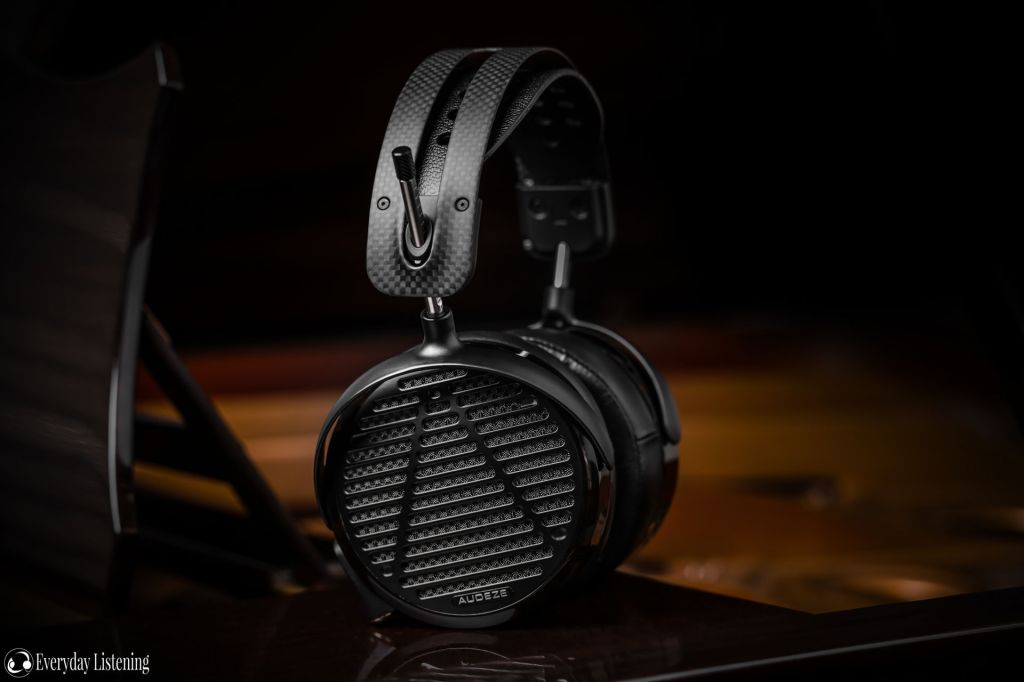
The LCD-5 isn’t the best headphone in all aspects but has two highlights I can note – that being, its superb midrange tuning and its exceptional technical ability. The beauty in this is that it forms such a well-rounded package overall – likely the most so even at its asking price. The LCD-5’s linear tuning especially gives it a great foundation for flexible eQ as does its raw extension and ability to resolve the minutiae. It also means that many listeners will find them natural and appealing right out of the box. On the contrary, it can be argued that the LCD-5 lacks that wow factor that many high-end headphones strive for, whether that be an awing bass, soaring energetic treble or a hugely expansive soundstage. This is a stable, coherent affair that thrives in its cleanliness and lack of such colouration, this also means it may alienate fans of the original Audeze house sound. If you’re looking for such a coloured experience there is no shortage of competitors offering this in spades. However, should you want for a comfortable open-back headphone with a hyper-detailed, achromatic sound, the LCD-5 deserves exclusive recommendation.
The LCD-5 is available from Audeze and Apos Audio (International) for $4500 USD at the time of writing. Please see our affiliate links for the most updated deals and pricing!
Track List –
Billie Eilish – dont smile at me
Bob Seger – Night Moves
Courtney Barnett – Rae Street
Cream – Wheels of Fire
Dire Straits – Communique
Dirty Loops – Next To You
Eagles – Hotel California
Elton John – Honky Chateau
Fleetwood Mac – Rumours
H.E.R – I Used To Know Her
Jasen – BYE
John Mayer – Continuum
Kanye West – Ye
Missy Higgins – The Sound of White
Radiohead – OK Computer
TALA – ain’t leavin` without you
The Beatles – Abbey Road
The weeknd – After Hours
Vampire Weekend – Father of the Bride

Ryan Soo
Avid writer, passionate photographer and sleep-deprived medical student, Ryan has an ongoing desire to bring quality products to the regular reader.
 Everyday Listening
Very long review, not my favorite format. Never heard of an ‘n’ shape sound signature, but I like it. Good job tho. Sound impressions were a bit fussy tho.
LikeLike
Hey Steven,
You’re right I must work on being succinct. I personally feel that many reviews already are, so I like to give those on the fence a little extra info to make that decision. I appreciate the feedback and will keep that in mind for future reviews, thanks!
Warm regards,
Ryan.
LikeLike